


The Analyst’s Cockpit: Anatomy of the Modern OSINT Market Platform Today
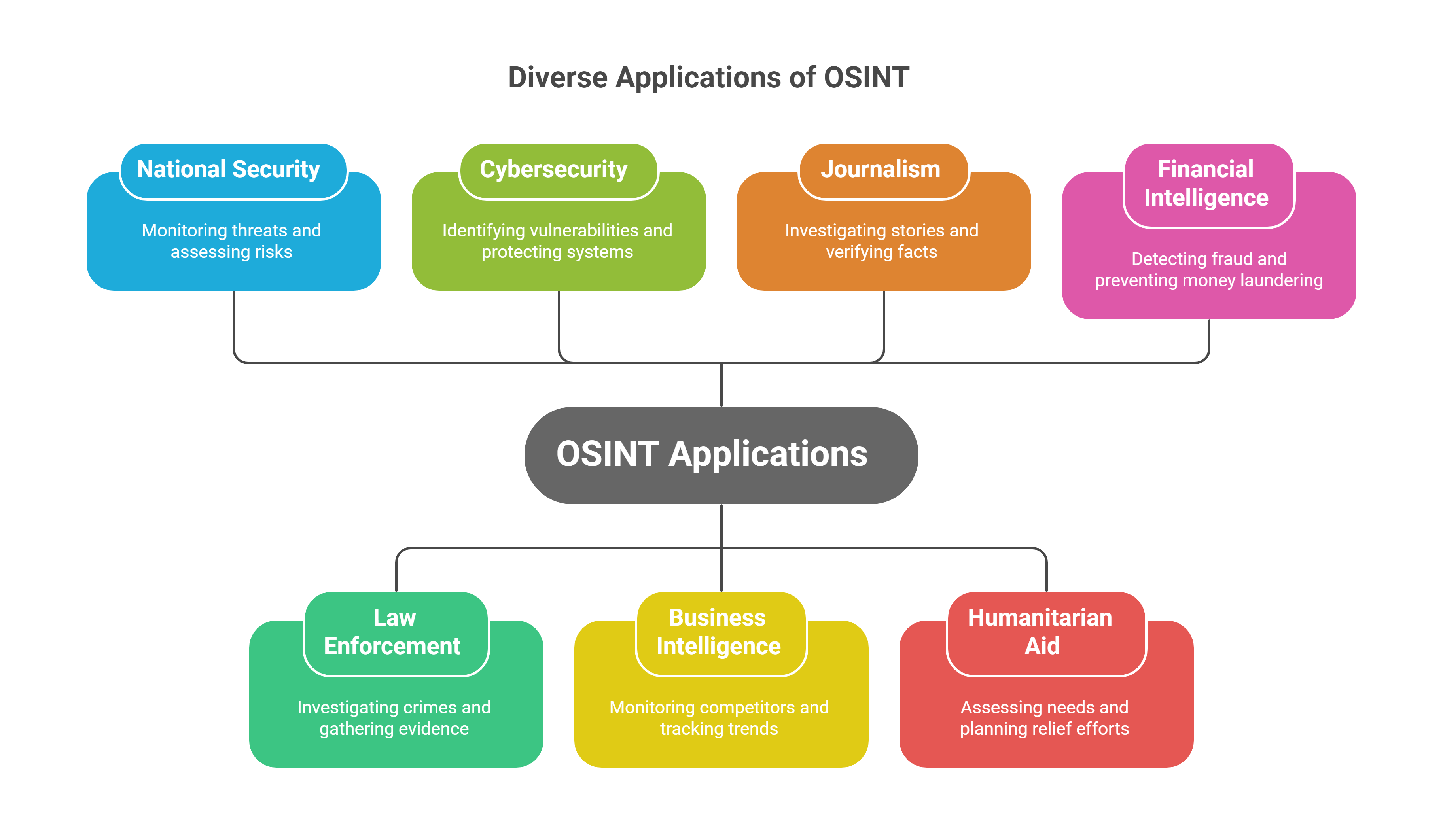
At the core of the modern intelligence workflow lies the OSINT platform, an integrated software environment designed to manage the entire intelligence lifecycle from a single interface. Far from being a simple search tool, a comprehensive Open Source Intelligence Market Platform serves as the analyst's cockpit, providing a unified suite of tools for targeted data collection, automated processing, in-depth analysis, and clear dissemination of findings. The primary function of these platforms is to break down data silos by aggregating information from an incredibly diverse array of sources. This includes real-time feeds from social media networks like X (formerly Twitter) and Telegram, content from millions of websites and blogs, data from deep web forums and dark web marketplaces, public records databases, vessel and flight tracking systems, and commercial satellite imagery. By bringing this disparate data into a single, structured environment, these platforms provide the foundational layer upon which all subsequent analysis is built. They are the essential engine that transforms the chaotic, unstructured noise of the open internet into a managed and queryable resource, enabling organizations to systematically exploit publicly available information on a massive scale.
A modern OSINT platform is defined by a rich set of features that empower analysts to uncover hidden connections and generate actionable insights. At the collection stage, they employ sophisticated web crawlers and APIs to automate data gathering, ensuring information is both comprehensive and up-to-date. Once collected, data undergoes processing through powerful analytical engines. Natural Language Processing (NLP) is used to extract key entities (people, places, organizations), perform sentiment analysis, and translate foreign languages. Link analysis is a cornerstone feature, providing graphical visualizations that map relationships between different data points, helping analysts to uncover hidden networks and hierarchies. Geospatial mapping tools are equally critical, allowing analysts to plot data points on a map, track movements over time, and identify geographic patterns or hotspots. Many advanced platforms also incorporate machine learning models for predictive analysis, helping to forecast trends or identify emerging threats based on historical data patterns. These integrated features create a powerful analytical workbench that enhances the analyst's cognitive abilities and accelerates the pace of discovery.
The market for OSINT platforms is characterized by a dynamic interplay between proprietary, commercial-off-the-shelf (COTS) solutions and customizable open-source toolchains. Proprietary platforms from vendors like Recorded Future, Babel Street, and Cobwebs Technologies offer the advantage of being powerful, user-friendly, and fully supported. They provide a "one-stop-shop" experience with pre-configured data feeds and advanced analytics, making them an attractive option for large organizations that require a turnkey solution with minimal setup and maintenance. However, they can be expensive, and their "black box" nature can limit customization. On the other hand, building a platform using open-source tools like Maltego, SpiderFoot, and the ELK Stack (Elasticsearch, Logstash, Kibana) offers unparalleled flexibility and control. This approach allows organizations to tailor the platform to their specific needs and integrate unique data sources. While highly cost-effective from a licensing perspective, this path requires significant in-house technical expertise to build, integrate, and maintain the complex software stack, representing a trade-off between cost, control, and convenience that each organization must carefully evaluate based on its resources and requirements.
The future of the OSINT platform is one of deeper integration and greater intelligence. We are moving towards a future where OSINT is not a standalone discipline but is seamlessly fused with other intelligence sources (INTs) like human intelligence (HUMINT), signals intelligence (SIGINT), and geospatial intelligence (GEOINT) into a single, unified analytical environment. This "all-source" platform will provide analysts with a holistic view, allowing them to correlate a social media post with a satellite image and a human source report to build a much richer intelligence picture. Furthermore, the next generation of platforms will feature more advanced predictive capabilities, moving beyond historical analysis to actively forecast future events, such as civil unrest, supply chain disruptions, or cyberattacks. They will also become more collaborative, featuring shared workspaces where teams of analysts from different locations or even different organizations can work together on an investigation in real-time. This evolution will transform the OSINT platform from a tool for understanding the past to a system for navigating the future, solidifying its role as the central nervous system of modern intelligence operations.
Explore More Like This in Our Reports:

 English
 Arabic
 French
 Spanish
 Portuguese
 Turkish
 Dutch
Dutch
 Italiano
 Russian
 Romaian
 Portuguese (Brazil)
 Greek
Greek