


The Essential Toolkit for Digital Connectivity: A Guide to API Management Solutions
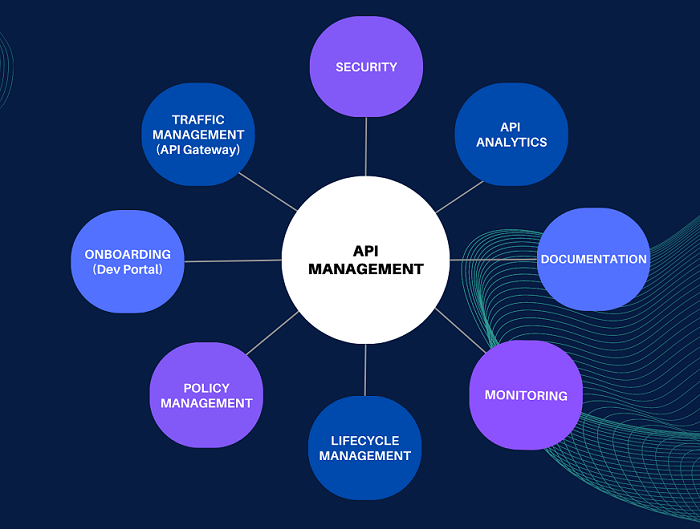
The market offers a comprehensive suite of API Management Solutions designed to address every aspect of the API lifecycle, from conception to retirement. These solutions are the essential tools that allow organizations to move from simply having APIs to having a strategic, secure, and scalable API program. Understanding the distinct functions of these different components is key to appreciating how a complete API management platform delivers its value. The demand for this integrated toolkit is the primary reason the API Management Market is projected to grow to USD 43.25 Billion by 2035, exhibiting a compound annual growth rate (CAGR) of 21.4% during 2025-2035, as businesses seek a holistic approach to connectivity.
The cornerstone of any API management solution is the API Gateway. This component acts as the primary policy enforcement point, a powerful and highly performant proxy that sits in front of all backend services. Every single API request, whether from a mobile app, a partner system, or an internal service, must pass through the gateway. Here, it enforces critical security policies, such as validating API keys or OAuth tokens to ensure the request is authenticated and authorized. It also handles operational governance by enforcing rate limits and quotas to prevent any single consumer from overwhelming the backend systems. The gateway is the operational workhorse of the solution, providing the essential security, control, and traffic management necessary to run an API program at scale.
If the gateway is the workhorse, the Developer Portal is the public face and an equally critical solution component. It functions as a self-service hub or "app store" for an organization's APIs, designed specifically for the developers who will be consuming them. A good developer portal provides a browsable catalog of all available APIs, along with clear, comprehensive, and interactive documentation (often generated automatically from an OpenAPI Specification). It is where developers go to register for an account, receive their unique API keys, and understand the terms of service. Most portals also include a sandbox environment, allowing developers to make test calls to the APIs and see how they work before integrating them into their own applications. A user-friendly developer portal is the single most important tool for driving the adoption and success of a public API program.
The third pillar of a complete solution is the Analytics and Monetization engine. This is the business intelligence layer of the platform, providing deep insights into the performance and usage of the entire API portfolio. It allows API product managers to track key metrics like API call volume, latency, error rates, and top consumers. This data is invaluable for identifying popular APIs, troubleshooting performance issues, and making informed decisions about future investments. Crucially, this component also provides the tools for API monetization. It enables organizations to create different subscription plans (e.g., a free tier with limited calls, a premium tier with higher limits), automatically track usage against these plans, and integrate with billing systems to charge consumers. This transforms APIs from a technical cost center into a direct, measurable source of revenue.
Explore Our Latest Trending Reports:
Iot In Kitchen System Market Size
Massive Open Online Course Market Size

 English
 Arabic
 French
 Portuguese
 Deutsch
 Turkish
 Dutch
Dutch
 Italiano
 Russian
 Romaian
 Portuguese (Brazil)
 Greek
Greek