


Understanding the Importance of Medication Administration Program and BLS for Healthcare Professionals
Healthcare is an evolving field where patient safety and quality care are paramount. Among the myriad skills required for healthcare professionals, proper medication administration and basic life support are essential. These competencies are not just professional requirements; they are critical in ensuring that patients receive safe and effective care. In this context, a Medication Administration Program and BLS for healthcare are two fundamental pillars of modern medical training.
What is a Medication Administration Program?
A Medication Administration Program is a structured educational program designed to teach healthcare professionals and students how to safely administer medications. This program covers various essential aspects, including medication types, proper dosages, administration routes, potential side effects, and methods to prevent errors. The ultimate goal of such programs is to reduce medication-related mistakes and improve patient outcomes.
Medication errors are a serious concern in healthcare settings. According to the Institute of Medicine, medication errors harm at least 1.5 million people each year in the United States alone. Implementing a comprehensive Medication Administration Program helps healthcare workers develop the knowledge and confidence needed to handle medications safely and responsibly.
These programs often combine theoretical knowledge with practical exercises. For instance, participants may learn the “five rights” of medication administration—right patient, right medication, right dose, right route, and right time. Additionally, training emphasizes understanding pharmacology principles, reading and interpreting prescriptions accurately, and documenting medication administration properly.
The Role of Medication Administration Program in Patient Safety
Patient safety is the cornerstone of healthcare. A well-designed Medication Administration Program equips nurses, medical assistants, and other healthcare professionals with the skills to prevent adverse drug events. By emphasizing proper procedures, accurate dosage calculations, and critical thinking, these programs minimize the risk of harm to patients.
Moreover, such programs often include training on dealing with high-risk medications, such as anticoagulants, insulin, and opioids. Healthcare professionals learn to monitor patients for side effects, manage potential interactions with other medications, and take immediate action if adverse reactions occur. This level of preparation ensures that patients receive not just treatment but safe and effective care.
BLS for Healthcare: A Lifesaving Skill
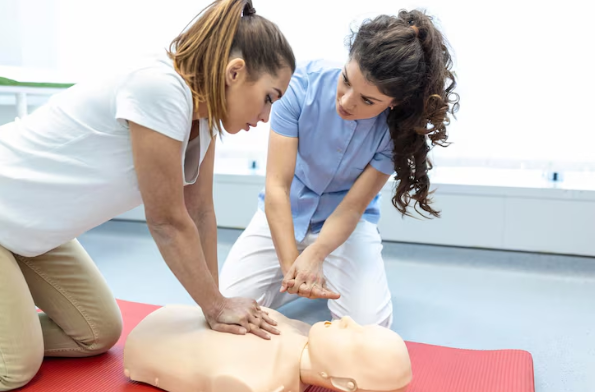
While medication administration is crucial, emergencies can arise at any moment, requiring immediate life-saving interventions. This is where BLS for healthcare comes into play. BLS, or Basic Life Support, refers to the foundational level of medical care used in emergencies, including cardiac arrest, respiratory distress, and choking. It involves skills like cardiopulmonary resuscitation (CPR), using an automated external defibrillator (AED), and relieving airway obstructions.
BLS training is mandatory for many healthcare professionals, including nurses, medical assistants, and emergency responders. The certification ensures that staff members can act swiftly and confidently in life-threatening situations, significantly increasing the chances of patient survival. BLS for healthcare is more than just a requirement—it is a practical skill that saves lives and reinforces a healthcare professional’s ability to respond under pressure.
Integrating Medication Administration Program with BLS Training
Integrating a Medication Administration Program with BLS for healthcare creates a comprehensive training approach for healthcare professionals. Both programs focus on patient safety, albeit in different contexts—medication administration addresses long-term care and daily patient management, while BLS focuses on immediate emergency response. Together, they provide a holistic skill set that prepares healthcare workers for various clinical scenarios.
For example, a nurse trained in both medication administration and BLS can quickly identify a patient showing adverse reactions to medication, provide life-saving interventions if needed, and accurately document the incident. This integration enhances overall clinical competence, ensuring that healthcare professionals are not just reactive but proactive in patient care.
Benefits of a Medication Administration Program
- Reduced Medication Errors: By following standardized protocols, healthcare workers are less likely to make dosing or administration mistakes.
- Enhanced Knowledge: Participants gain a thorough understanding of pharmacology, drug interactions, and patient monitoring.
- Patient Confidence: Patients feel more secure knowing their caregivers are trained to administer medications safely.
- Professional Development: Completing a Medication Administration Program can lead to career advancement and certification opportunities.
Benefits of BLS for Healthcare Professionals
- Life-Saving Skills: Trained professionals can respond effectively during cardiac arrests, choking incidents, and respiratory failures.
- Increased Confidence: Knowing how to perform CPR or use an AED reduces hesitation in emergencies.
- Compliance with Standards: Many healthcare facilities require BLS certification to meet accreditation and legal standards.
- Team Preparedness: BLS-trained staff ensures that all team members can contribute to emergency response.
Real-World Applications
In practical healthcare settings, the combination of a Medication Administration Program and BLS for healthcare is invaluable. For instance, a patient receiving intravenous medication may develop an allergic reaction. A healthcare professional trained in medication administration recognizes the symptoms early, stops the medication, and initiates emergency procedures. Simultaneously, BLS skills ensure the provider can maintain vital signs, perform CPR if necessary, and use an AED until emergency medical services arrive.
Furthermore, many hospitals and clinics incorporate simulation-based training for both programs. These simulations mimic real-life scenarios, allowing healthcare workers to practice their skills in a controlled environment. This hands-on approach improves decision-making, teamwork, and confidence, ensuring that both medication administration and emergency response are handled with competence.
Choosing the Right Program
When selecting a Medication Administration Program or BLS for healthcare course, it’s essential to consider accreditation, curriculum quality, and hands-on training opportunities. Look for programs approved by recognized healthcare organizations or state nursing boards. Additionally, verify that BLS courses comply with the latest American Heart Association (AHA) guidelines, as standards and protocols are updated periodically.
Healthcare professionals should also seek programs that integrate both theoretical and practical components. While online modules can provide foundational knowledge, in-person or simulation training is critical for mastering practical skills. Combining these approaches ensures a well-rounded educational experience.
Conclusion
The healthcare profession demands precision, preparedness, and a commitment to patient safety. A Medication Administration Program ensures that healthcare professionals can manage medications effectively, reducing errors and improving patient outcomes. Meanwhile, BLS for healthcare equips providers with the skills to respond to life-threatening emergencies, saving lives and reinforcing confidence in critical situations.
Together, these programs form a comprehensive foundation for any healthcare professional. Whether in hospitals, clinics, or long-term care facilities, combining medication administration expertise with life-saving BLS skills ensures high-quality, safe, and responsive patient care. Investing in both areas of training is not just a professional requirement—it is a responsibility toward the patients who depend on healthcare workers every day.
Healthcare professionals who embrace continuous learning in these domains not only enhance their careers but also contribute meaningfully to a culture of safety, efficiency, and compassion in medical care. As the medical field continues to evolve, the integration of Medication Administration Program training and BLS for healthcare certification will remain essential for delivering exceptional healthcare outcomes.

 Arabic
 French
 Spanish
 Portuguese
 Deutsch
 Turkish
 Dutch
Dutch
 Italiano
 Russian
 Romaian
 Portuguese (Brazil)
 Greek
Greek