


The Rise of the Digital Persona: An Introduction to the Virtual Human
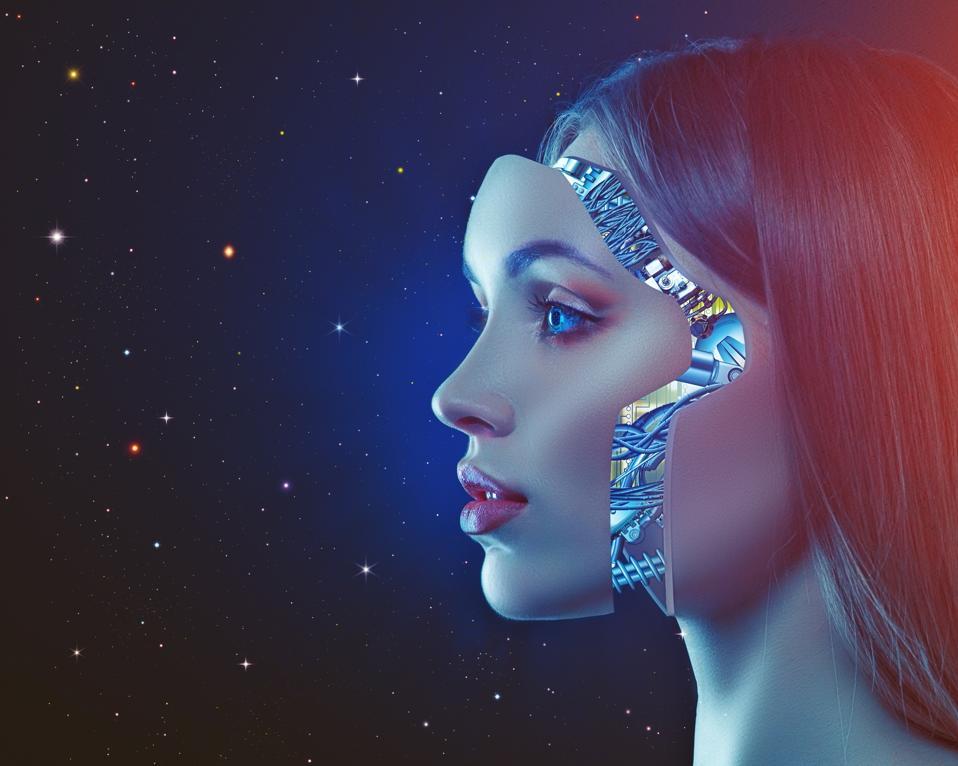
At the rapidly advancing intersection of computer graphics, artificial intelligence, and human-computer interaction, a new and fascinating entity is taking shape: the Virtual Human. A virtual human is a computer-generated, three-dimensional representation of a person that is designed to look, behave, and interact in a human-like manner. These are not simply animated characters; they are sophisticated digital personas, often powered by AI, that can engage in real-time, unscripted conversations, display a wide range of emotions, and respond to verbal and non-verbal cues. From digital brand ambassadors and virtual customer service agents to AI-powered companions and metaverse avatars, virtual humans are beginning to populate our digital and physical worlds. They represent the next evolution of the user interface, moving beyond text and buttons to create a more natural, intuitive, and empathetic way for humans to interact with technology and with each other in a digitally mediated world.
The creation of a believable virtual human is an incredibly complex undertaking, requiring the convergence of several cutting-edge technologies. The visual aspect is powered by advanced real-time 3D computer graphics, similar to those used in high-end video games and blockbuster films, to create a photorealistic or stylized appearance. The "brain" of the virtual human is driven by a sophisticated Artificial Intelligence engine. This includes a Natural Language Processing (NLP) component to understand and generate human speech, a conversational AI to manage the dialogue, and an emotional engine to simulate and display a range of facial expressions and body language. The Virtual Human Market is Expected to Reach USD 19.43 Billion By 2035, Growing at a CAGR of 11.62% During 2025 - 2035. This massive market growth is a direct result of the rapid advancements in these underlying AI and graphics technologies, which are making it possible to create ever more realistic and intelligent digital beings, moving them from the research lab to real-world commercial applications.
The applications for virtual humans are incredibly diverse and are expanding at a rapid pace across a wide range of industries. In the corporate world, they are being deployed as digital brand ambassadors and social media influencers, providing a consistent and controllable brand voice. They are also being used as virtual customer service agents and sales assistants, providing 24/7 support and personalized product recommendations on websites and in physical retail environments. In the healthcare and education sectors, virtual humans are being used to create empathetic and patient training simulations for doctors and as tireless, non-judgmental tutors for students. In the entertainment industry, they are becoming virtual pop stars, actors, and news anchors. As the technology matures, virtual humans are poised to become a ubiquitous interface for a huge variety of digital services, from banking to travel.
Despite their immense potential, the rise of virtual humans also brings with it a host of profound and complex ethical considerations. The potential for a virtual human to be used to spread misinformation or to create deceptive "deepfakes" is a major concern. The data privacy implications of interacting with an AI that is constantly learning from your conversations are significant. There are also deeper philosophical questions about the nature of the relationships that humans may form with these artificial beings and the potential for emotional manipulation. As this technology becomes more powerful and more widespread, it will be absolutely critical for developers, businesses, and society as a whole to establish strong ethical guidelines and governance frameworks to ensure that virtual humans are developed and deployed in a way that is responsible, transparent, and ultimately beneficial to humanity.
Explore Our Latest Trending Reports:

 English
 Arabic
 French
 Spanish
 Portuguese
 Deutsch
 Turkish
 Dutch
Dutch
 Italiano
 Russian
 Romaian
 Greek
Greek