


Get quality educative contents on Healthy Living
-
PBID: 0161000400000003
-
1 people like this
-
15 Posts
-
3 Photos
-
1 Videos
-
Reviews
-
Education
Search

 Arabic
 French
 Spanish
 Portuguese
 Deutsch
 Turkish
 Dutch
Dutch
 Italiano
 Russian
 Romaian
 Portuguese (Brazil)
 Greek
Greek
Recent Updates
-
Drinking Water: The Simple Secret to Better Health
Water is one of the most essential yet overlooked pillars of healthy living. Our bodies are made up of about 60% water, and almost every function — from digestion to circulation, temperature regulation, and waste removal — depends on it. Yet many people go through their day slightly dehydrated without even realizing it.
Why Water Matters
1. Boosts Energy & Brain Function
Even mild dehydration can affect focus, mood, and memory. Staying hydrated helps your brain stay sharp and your body energized.
2. Supports Digestion & Detox
Water helps break down food, absorb nutrients, and flush out toxins through sweat, urine, and bowel movements.
3. Regulates Temperature
During hot weather or physical activity, water prevents overheating by enabling the body to cool itself through sweating.
4. Keeps Skin Healthy
Proper hydration improves skin elasticity, giving you a natural glow and reducing dryness.
5. Weight Management
Drinking water before meals can help control appetite and reduce unnecessary snacking.
How Much Water Do You Need?
The “8 glasses a day” rule is a good start, but needs vary depending on age, activity level, and climate. A simple guide is:
Drink when you’re thirsty.
Increase intake during exercise or hot weather.
Include water-rich foods like fruits and vegetables.
Healthy Hydration Tips
Start your day with a glass of water.
Carry a refillable bottle with you.
Replace sugary drinks with water or herbal teas.
Infuse water with lemon, cucumber, or mint for flavor.
---
Takeaway: Water is not just a thirst quencher — it’s life itself. By making hydration a daily habit, you’re giving your body the support it needs to function at its best.💧 Drinking Water: The Simple Secret to Better Health Water is one of the most essential yet overlooked pillars of healthy living. Our bodies are made up of about 60% water, and almost every function — from digestion to circulation, temperature regulation, and waste removal — depends on it. Yet many people go through their day slightly dehydrated without even realizing it. 🌿 Why Water Matters 1. Boosts Energy & Brain Function Even mild dehydration can affect focus, mood, and memory. Staying hydrated helps your brain stay sharp and your body energized. 2. Supports Digestion & Detox Water helps break down food, absorb nutrients, and flush out toxins through sweat, urine, and bowel movements. 3. Regulates Temperature During hot weather or physical activity, water prevents overheating by enabling the body to cool itself through sweating. 4. Keeps Skin Healthy Proper hydration improves skin elasticity, giving you a natural glow and reducing dryness. 5. Weight Management Drinking water before meals can help control appetite and reduce unnecessary snacking. 🚰 How Much Water Do You Need? The “8 glasses a day” rule is a good start, but needs vary depending on age, activity level, and climate. A simple guide is: Drink when you’re thirsty. Increase intake during exercise or hot weather. Include water-rich foods like fruits and vegetables. 🥤 Healthy Hydration Tips Start your day with a glass of water. Carry a refillable bottle with you. Replace sugary drinks with water or herbal teas. Infuse water with lemon, cucumber, or mint for flavor. --- ✅ Takeaway: Water is not just a thirst quencher — it’s life itself. By making hydration a daily habit, you’re giving your body the support it needs to function at its best.0 Comments 0 Shares 400 Views 0 Reviews -
Healthy Living: Small Choices, Big Impact
When most people hear “healthy living,” their minds quickly jump to strict diets, endless workouts, or expensive supplements. But in reality, living healthy is about consistent small choices that add up over time.
Think about it this way: your body is like a house. If you keep repairing little cracks, sweeping out the dust, and fixing leaks early, the house will stand strong for years. But if you ignore the little things, one day the roof caves in.
The same applies to your health.
Food matters. What you eat daily becomes the raw material for your blood, your skin, your muscles — even your mood. You don’t have to be perfect, but choosing water over soda, fruits over pastries, or grilled food over fried once in a while makes a difference.
Movement matters. You don’t need a fancy gym. A brisk walk, stretching at home, or even dancing to your favorite song gets your heart pumping and keeps your body flexible.
Rest matters. Sleep is not laziness — it’s maintenance time for your brain and body. Without it, even the best food and exercise won’t balance things out.
Mindset matters. Stress, anger, or negative thinking can wear you down just as much as junk food. Taking time to breathe, pray, meditate, or simply laugh with loved ones is medicine too.
Healthy living is not about chasing perfection. It’s about making better choices today than you did yesterday. Over time, those little wins compound into energy, confidence, and a longer, stronger life.
Your body is the only permanent home you’ll ever live in — treat it like it’s priceless, because it truly is.
Healthy Living: Small Choices, Big Impact When most people hear “healthy living,” their minds quickly jump to strict diets, endless workouts, or expensive supplements. But in reality, living healthy is about consistent small choices that add up over time. Think about it this way: your body is like a house. If you keep repairing little cracks, sweeping out the dust, and fixing leaks early, the house will stand strong for years. But if you ignore the little things, one day the roof caves in. The same applies to your health. Food matters. What you eat daily becomes the raw material for your blood, your skin, your muscles — even your mood. You don’t have to be perfect, but choosing water over soda, fruits over pastries, or grilled food over fried once in a while makes a difference. Movement matters. You don’t need a fancy gym. A brisk walk, stretching at home, or even dancing to your favorite song gets your heart pumping and keeps your body flexible. Rest matters. Sleep is not laziness — it’s maintenance time for your brain and body. Without it, even the best food and exercise won’t balance things out. Mindset matters. Stress, anger, or negative thinking can wear you down just as much as junk food. Taking time to breathe, pray, meditate, or simply laugh with loved ones is medicine too. Healthy living is not about chasing perfection. It’s about making better choices today than you did yesterday. Over time, those little wins compound into energy, confidence, and a longer, stronger life. Your body is the only permanent home you’ll ever live in — treat it like it’s priceless, because it truly is.0 Comments 0 Shares 247 Views 0 Reviews -
Health Myths vs Facts
Myth 1: Eating late at night automatically makes you fat.
Fact: Weight gain depends on calories in vs calories out, not the clock. What matters most is the total amount and quality of food you eat.
Myth 2: You must drink exactly 8 glasses of water daily.
Fact: Everyone’s hydration needs differ. Listen to your body and watch urine color — light yellow means you’re hydrated.
Myth 3: Carbs are bad for you.
Fact: Carbs are your body’s main fuel. Choose whole grains, fruits, and vegetables instead of refined carbs and sugary snacks.
Myth 4: Detox teas cleanse your body.
Fact: Your liver, kidneys, and skin are natural detoxifiers. No tea can replace their work. Balanced eating and hydration are the real “detox.”
Myth 5: Lifting weights makes women bulky.
Fact: Women have lower testosterone, so strength training tones muscles, boosts metabolism, and supports bone health — not bulk.
Myth 6: Fat is always bad.
Fact: Healthy fats (avocados, nuts, olive oil, fish) are essential for brain health and hormone balance. It’s trans fats and excess fried foods you should avoid.
Myth 7: Sweating means you’re burning more fat.
Fact: Sweat is your body’s cooling system, not a fat-burning indicator. You burn calories by exertion, not by how much you sweat.
Myth 8: Skipping breakfast is unhealthy.
Fact: For some people, skipping breakfast (like in intermittent fasting) works fine. What matters is overall nutrient intake, not whether you eat first thing in the morning.
Myth 9: You can “spot reduce” fat from one part of your body.
Fact: Doing crunches won’t only burn belly fat. Fat loss happens all over the body through consistent exercise and a balanced diet.
Myth 10: Health = body size.
Fact: Being slim doesn’t automatically mean healthy, and being bigger doesn’t always mean unhealthy. True health includes nutrition, fitness, sleep, and mental well-being.
Healthy living is not about chasing trends or believing quick-fix promises — it’s about science, balance, and consistency.🩺 Health Myths vs Facts Myth 1: Eating late at night automatically makes you fat. Fact: Weight gain depends on calories in vs calories out, not the clock. What matters most is the total amount and quality of food you eat. Myth 2: You must drink exactly 8 glasses of water daily. Fact: Everyone’s hydration needs differ. Listen to your body and watch urine color — light yellow means you’re hydrated. Myth 3: Carbs are bad for you. Fact: Carbs are your body’s main fuel. Choose whole grains, fruits, and vegetables instead of refined carbs and sugary snacks. Myth 4: Detox teas cleanse your body. Fact: Your liver, kidneys, and skin are natural detoxifiers. No tea can replace their work. Balanced eating and hydration are the real “detox.” Myth 5: Lifting weights makes women bulky. Fact: Women have lower testosterone, so strength training tones muscles, boosts metabolism, and supports bone health — not bulk. Myth 6: Fat is always bad. Fact: Healthy fats (avocados, nuts, olive oil, fish) are essential for brain health and hormone balance. It’s trans fats and excess fried foods you should avoid. Myth 7: Sweating means you’re burning more fat. Fact: Sweat is your body’s cooling system, not a fat-burning indicator. You burn calories by exertion, not by how much you sweat. Myth 8: Skipping breakfast is unhealthy. Fact: For some people, skipping breakfast (like in intermittent fasting) works fine. What matters is overall nutrient intake, not whether you eat first thing in the morning. Myth 9: You can “spot reduce” fat from one part of your body. Fact: Doing crunches won’t only burn belly fat. Fat loss happens all over the body through consistent exercise and a balanced diet. Myth 10: Health = body size. Fact: Being slim doesn’t automatically mean healthy, and being bigger doesn’t always mean unhealthy. True health includes nutrition, fitness, sleep, and mental well-being. ✅ Healthy living is not about chasing trends or believing quick-fix promises — it’s about science, balance, and consistency.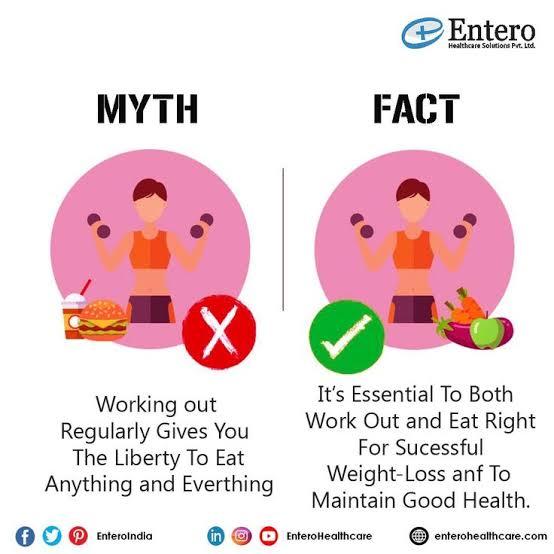 0 Comments 0 Shares 244 Views 0 Reviews
 -
Cardiovascular Health
The cardiovascular system, also known as the circulatory system, consists of the heart, blood, and blood vessels. Its primary role is to deliver oxygen and nutrients to the body’s tissues while removing waste products such as carbondioxide. Good cardiovascular health is essential for overall well-being, energy, and longevity.
Key Components of Cardiovascular Health
1. Heart Function – The heart is a muscular pump that beats about 100,000 times per day, circulating blood through the body.
2. Blood Vessels – Arteries, veins, and capillaries ensure efficient transport of oxygen, nutrients, and hormones.
3. Blood Pressure – Healthy blood pressure helps prevent strain on the heart and arteries.
Factors Affecting Cardiovascular Health
Diet: Diets rich in fruits, vegetables, whole grains, lean proteins, and healthy fats reduce the risk of heart disease. Excess salt, sugar, and saturated fat increase risk.
Physical Activity: Regular exercise strengthens the heart muscle, improves circulation, and lowers cholesterol.
Weight Management: Obesity is linked to hypertension, diabetes, and atherosclerosis.
Smoking & Alcohol: Smoking damages blood vessels and increases clot risk, while excessive alcohol raises blood pressure.
Stress: Chronic stress can contribute to high blood pressure and poor lifestyle choices.
Common Cardiovascular Diseases
Hypertension (High Blood Pressure)
Coronary Artery Disease (Blockages in heart vessels)
Stroke
Heart Failure
Tips for Maintaining Cardiovascular Health
1. Eat a balanced diet with limited processed foods.
2. Exercise at least 30 minutes most days of the week.
3. Maintain a healthy weight.
4. Avoid smoking and limit alcohol.
5. Manage stress through relaxation, prayer, meditation, or hobbies.
6. Go for regular health checkups to monitor blood pressure, cholesterol, and blood sugar.
Cardiovascular Health The cardiovascular system, also known as the circulatory system, consists of the heart, blood, and blood vessels. Its primary role is to deliver oxygen and nutrients to the body’s tissues while removing waste products such as carbondioxide. Good cardiovascular health is essential for overall well-being, energy, and longevity. Key Components of Cardiovascular Health 1. Heart Function – The heart is a muscular pump that beats about 100,000 times per day, circulating blood through the body. 2. Blood Vessels – Arteries, veins, and capillaries ensure efficient transport of oxygen, nutrients, and hormones. 3. Blood Pressure – Healthy blood pressure helps prevent strain on the heart and arteries. Factors Affecting Cardiovascular Health Diet: Diets rich in fruits, vegetables, whole grains, lean proteins, and healthy fats reduce the risk of heart disease. Excess salt, sugar, and saturated fat increase risk. Physical Activity: Regular exercise strengthens the heart muscle, improves circulation, and lowers cholesterol. Weight Management: Obesity is linked to hypertension, diabetes, and atherosclerosis. Smoking & Alcohol: Smoking damages blood vessels and increases clot risk, while excessive alcohol raises blood pressure. Stress: Chronic stress can contribute to high blood pressure and poor lifestyle choices. Common Cardiovascular Diseases Hypertension (High Blood Pressure) Coronary Artery Disease (Blockages in heart vessels) Stroke Heart Failure Tips for Maintaining Cardiovascular Health 1. Eat a balanced diet with limited processed foods. 2. Exercise at least 30 minutes most days of the week. 3. Maintain a healthy weight. 4. Avoid smoking and limit alcohol. 5. Manage stress through relaxation, prayer, meditation, or hobbies. 6. Go for regular health checkups to monitor blood pressure, cholesterol, and blood sugar.0 Comments 0 Shares 243 Views 0 Reviews1
-
Fats and oils are an important part of our diet and daily life, though they are often misunderstood.
What they are:
Both fats and oils are made up of triglycerides (combinations of fatty acids and glycerol).
The difference lies in their state at room temperature: fats are usually solid (like butter or lard), while oils are liquid (like olive oil or groundnut oil).
Types:
1. Saturated fats – mostly from animal sources (butter, meat fat, palm oil). They can raise cholesterol levels if consumed in excess.
2. Unsaturated fats – mostly from plant and fish sources (olive oil, sunflower oil, avocado, fish oil). These are generally healthier for the heart.
Monounsaturated fats (olive oil, groundnut oil).
Polyunsaturated fats (omega-3 and omega-6 in fish, flaxseed, walnuts).
3. Trans fats – artificially produced during hydrogenation of oils (found in some margarines, baked goods, fried foods). These are harmful and should be avoided.
Functions in the body:
Provide energy (they supply more than double the energy of carbohydrates and proteins).
Help in absorption of fat-soluble vitamins (A, D, E, and K).
Protect internal organs and regulate body temperature.
Form part of cell membranes and hormones.
Health considerations:
Too much unhealthy fat (saturated and trans) can lead to obesity, high cholesterol, heart disease, and stroke.
Healthy fats (unsaturated, especially omega-3) can improve heart health, brain function, and reduce inflammation.
Balance is key—fats and oils should make up about 20–35% of daily calories, according to health guidelines.
In short: Fats and oils are not enemies; they are essential. The focus should be on choosing the right kind and using them inFats and oils are an important part of our diet and daily life, though they are often misunderstood. What they are: Both fats and oils are made up of triglycerides (combinations of fatty acids and glycerol). The difference lies in their state at room temperature: fats are usually solid (like butter or lard), while oils are liquid (like olive oil or groundnut oil). Types: 1. Saturated fats – mostly from animal sources (butter, meat fat, palm oil). They can raise cholesterol levels if consumed in excess. 2. Unsaturated fats – mostly from plant and fish sources (olive oil, sunflower oil, avocado, fish oil). These are generally healthier for the heart. Monounsaturated fats (olive oil, groundnut oil). Polyunsaturated fats (omega-3 and omega-6 in fish, flaxseed, walnuts). 3. Trans fats – artificially produced during hydrogenation of oils (found in some margarines, baked goods, fried foods). These are harmful and should be avoided. Functions in the body: Provide energy (they supply more than double the energy of carbohydrates and proteins). Help in absorption of fat-soluble vitamins (A, D, E, and K). Protect internal organs and regulate body temperature. Form part of cell membranes and hormones. Health considerations: Too much unhealthy fat (saturated and trans) can lead to obesity, high cholesterol, heart disease, and stroke. Healthy fats (unsaturated, especially omega-3) can improve heart health, brain function, and reduce inflammation. Balance is key—fats and oils should make up about 20–35% of daily calories, according to health guidelines. 👉 In short: Fats and oils are not enemies; they are essential. The focus should be on choosing the right kind and using them in0 Comments 0 Shares 227 Views 0 Reviews -
The Importance of a Balanced Diet
A balanced diet simply means eating the right proportion of different food groups to keep the body healthy and strong. It is not about eating too much of one thing, but rather ensuring that meals contain a fair mix of carbohydrates, proteins, fats, vitamins, minerals, and water.
Carbohydrates such as rice, bread, yam, and potatoes provide the body with energy. Proteins, which can be found in beans, fish, meat, and eggs, help in growth and repair of tissues. Healthy fats from nuts, avocado, and vegetable oils support brain function and protect organs. Fruits and vegetables supply essential vitamins and minerals that boost the immune system and prevent diseases. Water, though often overlooked, is equally important as it keeps the body hydrated and aids digestion.
Living on only one type of food may lead to deficiencies and health problems. For example, too many carbohydrates without enough protein or vitamins can cause fatigue and poor body function. On the other hand, a well-balanced diet helps maintain a healthy weight, sharpens the mind, and gives the body the strength it needs to carry out daily activities.
In simple terms, eating a variety of foods in the right amounts is the foundation of good health.The Importance of a Balanced Diet A balanced diet simply means eating the right proportion of different food groups to keep the body healthy and strong. It is not about eating too much of one thing, but rather ensuring that meals contain a fair mix of carbohydrates, proteins, fats, vitamins, minerals, and water. Carbohydrates such as rice, bread, yam, and potatoes provide the body with energy. Proteins, which can be found in beans, fish, meat, and eggs, help in growth and repair of tissues. Healthy fats from nuts, avocado, and vegetable oils support brain function and protect organs. Fruits and vegetables supply essential vitamins and minerals that boost the immune system and prevent diseases. Water, though often overlooked, is equally important as it keeps the body hydrated and aids digestion. Living on only one type of food may lead to deficiencies and health problems. For example, too many carbohydrates without enough protein or vitamins can cause fatigue and poor body function. On the other hand, a well-balanced diet helps maintain a healthy weight, sharpens the mind, and gives the body the strength it needs to carry out daily activities. In simple terms, eating a variety of foods in the right amounts is the foundation of good health.0 Comments 0 Shares 541 Views 0 Reviews -
Protein vs Carbohydrates: A Quick Look
When it comes to nutrition, protein and carbohydrates often get compared, but both play very different roles in the body.
Proteins are the body’s building blocks. They help repair tissues, support muscle growth, and keep the immune system strong. Foods like eggs, fish, beans, and lean meats are rich in protein. Unlike carbs, protein doesn’t give a quick energy rush, but it provides lasting strength and is essential for recovery after physical activity.
Carbohydrates, on the other hand, are the body’s main fuel. They break down into glucose, which powers the brain and muscles. Carbs are found in grains, fruits, vegetables, and tubers. While simple carbs (like sugar) can spike energy quickly, complex carbs (like whole grains) release energy more steadily.
In short, carbs fuel your body while protein builds and repairs it. A healthy diet needs both — the key is balance. Too many refined carbs may lead to weight gain, while too little protein can slow down recovery and muscle growth.Protein vs Carbohydrates: A Quick Look When it comes to nutrition, protein and carbohydrates often get compared, but both play very different roles in the body. Proteins are the body’s building blocks. They help repair tissues, support muscle growth, and keep the immune system strong. Foods like eggs, fish, beans, and lean meats are rich in protein. Unlike carbs, protein doesn’t give a quick energy rush, but it provides lasting strength and is essential for recovery after physical activity. Carbohydrates, on the other hand, are the body’s main fuel. They break down into glucose, which powers the brain and muscles. Carbs are found in grains, fruits, vegetables, and tubers. While simple carbs (like sugar) can spike energy quickly, complex carbs (like whole grains) release energy more steadily. In short, carbs fuel your body while protein builds and repairs it. A healthy diet needs both — the key is balance. Too many refined carbs may lead to weight gain, while too little protein can slow down recovery and muscle growth.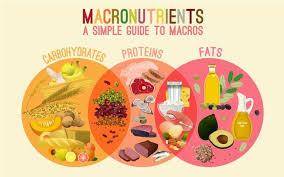 0 Comments 0 Shares 308 Views 0 Reviews
 -
HDL and LDL: Understanding the “Good” and “Bad” Cholesterol
Introduction
Cholesterol is a waxy, fat-like substance found in every cell of the body. It is essential for building cell membranes, producing certain hormones, and aiding in digestion. However, too much cholesterol—especially the wrong type—can be harmful to your health. This is where HDL (High-Density Lipoprotein) and LDL (Low-Density Lipoprotein) come in.
---
What are HDL and LDL?
HDL (High-Density Lipoprotein) – Often called the “good” cholesterol, HDL helps remove excess cholesterol from the bloodstream and transport it to the liver for processing and removal from the body.
LDL (Low-Density Lipoprotein) – Known as the “bad” cholesterol, LDL carries cholesterol from the liver to the rest of the body. When too much LDL circulates, it can build up in artery walls, leading to plaque formation and narrowing of the arteries (atherosclerosis).
---
Why Are They Important?
The balance between HDL and LDL is crucial for heart health:
High LDL + Low HDL = Higher risk of heart disease and stroke.
Low LDL + High HDL = Lower risk of cardiovascular problems.
---
Healthy Levels (According to General Guidelines)
Type of Cholesterol Optimal Level
LDL (Bad) Less than 100 mg/dL
HDL (Good) 40 mg/dL or higher (men)
50 mg/dL or higher (women)
Total Cholesterol Less than 200 mg/dL
(Note: Values may vary depending on medical guidelines and individual health conditions.)
---
Causes of High LDL and Low HDL
High LDL can be caused by:
Diet high in saturated and trans fats.
Lack of physical activity.
Smoking.
Obesity.
Genetics.
Low HDL can be caused by:
Sedentary lifestyle.
Poor diet.
Smoking.
Type 2 diabetes and other metabolic issues.
---
How to Improve Your Cholesterol Profile
To Lower LDL:
1. Reduce saturated and trans fats (found in fried foods, processed snacks, fatty meats).
2. Eat more soluble fibre (oats, beans, apples, carrots).
3. Maintain a healthy weight.
4. Exercise regularly.
5. Quit smoking.
To Raise HDL:
1. Engage in regular aerobic exercise (brisk walking, swimming, cycling).
2. Choose healthy fats (olive oil, avocados, nuts).
3. Moderate alcohol consumption (if at all).
4. Stop smoking.
---
Health Risks of Imbalance
High LDL can lead to plaque buildup in arteries, increasing the risk of:
Coronary artery disease.
Heart attack.
Stroke.
Low HDL reduces the body’s ability to clear cholesterol from the bloodstream, also raising cardiovascular risk.
---
Conclusion
HDL and LDL are not enemies—they are both necessary, but in the right balance. HDL acts as a protective “clean-up crew” for your arteries, while LDL supplies cholesterol for vital body functions. The key to good heart health lies in keeping LDL low and HDL high through healthy lifestyle choices, regular exercise, and medical monitoring.HDL and LDL: Understanding the “Good” and “Bad” Cholesterol Introduction Cholesterol is a waxy, fat-like substance found in every cell of the body. It is essential for building cell membranes, producing certain hormones, and aiding in digestion. However, too much cholesterol—especially the wrong type—can be harmful to your health. This is where HDL (High-Density Lipoprotein) and LDL (Low-Density Lipoprotein) come in. --- What are HDL and LDL? HDL (High-Density Lipoprotein) – Often called the “good” cholesterol, HDL helps remove excess cholesterol from the bloodstream and transport it to the liver for processing and removal from the body. LDL (Low-Density Lipoprotein) – Known as the “bad” cholesterol, LDL carries cholesterol from the liver to the rest of the body. When too much LDL circulates, it can build up in artery walls, leading to plaque formation and narrowing of the arteries (atherosclerosis). --- Why Are They Important? The balance between HDL and LDL is crucial for heart health: High LDL + Low HDL = Higher risk of heart disease and stroke. Low LDL + High HDL = Lower risk of cardiovascular problems. --- Healthy Levels (According to General Guidelines) Type of Cholesterol Optimal Level LDL (Bad) Less than 100 mg/dL HDL (Good) 40 mg/dL or higher (men) 50 mg/dL or higher (women) Total Cholesterol Less than 200 mg/dL (Note: Values may vary depending on medical guidelines and individual health conditions.) --- Causes of High LDL and Low HDL High LDL can be caused by: Diet high in saturated and trans fats. Lack of physical activity. Smoking. Obesity. Genetics. Low HDL can be caused by: Sedentary lifestyle. Poor diet. Smoking. Type 2 diabetes and other metabolic issues. --- How to Improve Your Cholesterol Profile To Lower LDL: 1. Reduce saturated and trans fats (found in fried foods, processed snacks, fatty meats). 2. Eat more soluble fibre (oats, beans, apples, carrots). 3. Maintain a healthy weight. 4. Exercise regularly. 5. Quit smoking. To Raise HDL: 1. Engage in regular aerobic exercise (brisk walking, swimming, cycling). 2. Choose healthy fats (olive oil, avocados, nuts). 3. Moderate alcohol consumption (if at all). 4. Stop smoking. --- Health Risks of Imbalance High LDL can lead to plaque buildup in arteries, increasing the risk of: Coronary artery disease. Heart attack. Stroke. Low HDL reduces the body’s ability to clear cholesterol from the bloodstream, also raising cardiovascular risk. --- Conclusion HDL and LDL are not enemies—they are both necessary, but in the right balance. HDL acts as a protective “clean-up crew” for your arteries, while LDL supplies cholesterol for vital body functions. The key to good heart health lies in keeping LDL low and HDL high through healthy lifestyle choices, regular exercise, and medical monitoring.0 Comments 0 Shares 314 Views 0 Reviews 2
2
-
Understanding Diabetes: A Healthy Living Perspective
Introduction
Diabetes mellitus, commonly known as diabetes, is a chronic health condition that affects how the body turns food into energy. Normally, when we eat, the body breaks down most of the food into glucose (sugar) which enters the bloodstream. The hormone insulin, produced by the pancreas, helps glucose enter the cells for energy. In diabetes, the body either doesn’t produce enough insulin or cannot use it effectively, causing high blood sugar levels.
Over time, poorly managed diabetes can lead to serious health complications affecting the heart, kidneys, eyes, nerves, and more. However, with healthy lifestyle choices and proper medical care, people living with diabetes can lead long, fulfilling lives.
---
Types of Diabetes
1. Type 1 Diabetes
An autoimmune condition where the immune system attacks insulin-producing cells in the pancreas.
Usually diagnosed in children and young adults, but it can occur at any age.
People with Type 1 diabetes require insulin therapy for survival.
2. Type 2 Diabetes
The most common type, where the body becomes resistant to insulin or doesn’t make enough.
Often linked to unhealthy lifestyle habits, but genetics also play a role.
It can be prevented or managed through healthy diet, exercise, weight control, and medication if needed.
3. Gestational Diabetes
Occurs during pregnancy in women who have never had diabetes.
Increases the risk of complications for both mother and baby.
Usually resolves after delivery, but raises the risk of developing Type 2 diabetes later in life.
---
Common Symptoms of Diabetes
Excessive thirst and frequent urination
Unexplained weight loss or gain
Increased hunger
Fatigue and weakness
Blurred vision
Slow-healing wounds or frequent infections
Numbness or tingling in hands or feet
---
Risk Factors
Family history of diabetes
Overweight or obesity
Sedentary lifestyle
Poor diet high in refined sugar and unhealthy fats
High blood pressure or high cholesterol
Age above 45 years
History of gestational diabetes
---
Healthy Living for Diabetes Prevention and Management
1. Balanced Diet
Choose whole grains, lean proteins, fruits, and vegetables.
Limit sugary drinks, processed snacks, and refined carbohydrates.
Practice portion control to maintain healthy weight.
2. Regular Physical Activity
Aim for 150 minutes of moderate exercise weekly (e.g., brisk walking, swimming, cycling).
Include strength training at least twice a week to improve insulin sensitivity.
3. Weight Management
Even a modest weight loss (5–10% of body weight) can significantly improve blood sugar control in people with prediabetes or Type 2 diabetes.
4. Stay Hydrated
Drink enough water and avoid excessive sugary beverages.
5. Regular Medical Check-ups
Monitor blood sugar levels as advised by your doctor.
Keep track of blood pressure, cholesterol, and kidney function.
6. Quit Smoking and Limit Alcohol
Smoking increases the risk of diabetes complications.
Alcohol can cause blood sugar fluctuations, so moderation is key.
7. Stress Management
High stress can affect blood sugar control.
Practice relaxation techniques like deep breathing, yoga, or meditation.
---
Complications of Poorly Managed Diabetes
If left uncontrolled, diabetes can lead to:
Heart disease and stroke
Kidney damage (diabetic nephropathy)
Nerve damage (diabetic neuropathy)
Eye damage (diabetic retinopathy)
Foot problems and amputations
Skin conditions and infections
---
Conclusion
Diabetes is not just a medical condition — it’s a lifestyle condition. While some risk factors like age and genetics cannot be changed, healthy living plays a powerful role in prevention and control. Early detection, combined with healthy eating, regular exercise, weight control, and routine medical care, can help manage blood sugar levels and reduce the risk of complications.
In short: A healthy lifestyle is both the best prevention and the best treatment partner for diabetes.Understanding Diabetes: A Healthy Living Perspective Introduction Diabetes mellitus, commonly known as diabetes, is a chronic health condition that affects how the body turns food into energy. Normally, when we eat, the body breaks down most of the food into glucose (sugar) which enters the bloodstream. The hormone insulin, produced by the pancreas, helps glucose enter the cells for energy. In diabetes, the body either doesn’t produce enough insulin or cannot use it effectively, causing high blood sugar levels. Over time, poorly managed diabetes can lead to serious health complications affecting the heart, kidneys, eyes, nerves, and more. However, with healthy lifestyle choices and proper medical care, people living with diabetes can lead long, fulfilling lives. --- Types of Diabetes 1. Type 1 Diabetes An autoimmune condition where the immune system attacks insulin-producing cells in the pancreas. Usually diagnosed in children and young adults, but it can occur at any age. People with Type 1 diabetes require insulin therapy for survival. 2. Type 2 Diabetes The most common type, where the body becomes resistant to insulin or doesn’t make enough. Often linked to unhealthy lifestyle habits, but genetics also play a role. It can be prevented or managed through healthy diet, exercise, weight control, and medication if needed. 3. Gestational Diabetes Occurs during pregnancy in women who have never had diabetes. Increases the risk of complications for both mother and baby. Usually resolves after delivery, but raises the risk of developing Type 2 diabetes later in life. --- Common Symptoms of Diabetes Excessive thirst and frequent urination Unexplained weight loss or gain Increased hunger Fatigue and weakness Blurred vision Slow-healing wounds or frequent infections Numbness or tingling in hands or feet --- Risk Factors Family history of diabetes Overweight or obesity Sedentary lifestyle Poor diet high in refined sugar and unhealthy fats High blood pressure or high cholesterol Age above 45 years History of gestational diabetes --- Healthy Living for Diabetes Prevention and Management 1. Balanced Diet Choose whole grains, lean proteins, fruits, and vegetables. Limit sugary drinks, processed snacks, and refined carbohydrates. Practice portion control to maintain healthy weight. 2. Regular Physical Activity Aim for 150 minutes of moderate exercise weekly (e.g., brisk walking, swimming, cycling). Include strength training at least twice a week to improve insulin sensitivity. 3. Weight Management Even a modest weight loss (5–10% of body weight) can significantly improve blood sugar control in people with prediabetes or Type 2 diabetes. 4. Stay Hydrated Drink enough water and avoid excessive sugary beverages. 5. Regular Medical Check-ups Monitor blood sugar levels as advised by your doctor. Keep track of blood pressure, cholesterol, and kidney function. 6. Quit Smoking and Limit Alcohol Smoking increases the risk of diabetes complications. Alcohol can cause blood sugar fluctuations, so moderation is key. 7. Stress Management High stress can affect blood sugar control. Practice relaxation techniques like deep breathing, yoga, or meditation. --- Complications of Poorly Managed Diabetes If left uncontrolled, diabetes can lead to: Heart disease and stroke Kidney damage (diabetic nephropathy) Nerve damage (diabetic neuropathy) Eye damage (diabetic retinopathy) Foot problems and amputations Skin conditions and infections --- Conclusion Diabetes is not just a medical condition — it’s a lifestyle condition. While some risk factors like age and genetics cannot be changed, healthy living plays a powerful role in prevention and control. Early detection, combined with healthy eating, regular exercise, weight control, and routine medical care, can help manage blood sugar levels and reduce the risk of complications. In short: A healthy lifestyle is both the best prevention and the best treatment partner for diabetes.2 Comments 0 Shares 330 Views 0 Reviews1
More Stories