Sponsored
  • Protein vs Carbohydrates: A Quick Look

    When it comes to nutrition, protein and carbohydrates often get compared, but both play very different roles in the body.

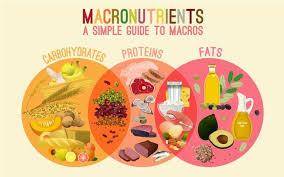
    Proteins are the body’s building blocks. They help repair tissues, support muscle growth, and keep the immune system strong. Foods like eggs, fish, beans, and lean meats are rich in protein. Unlike carbs, protein doesn’t give a quick energy rush, but it provides lasting strength and is essential for recovery after physical activity.

    Carbohydrates, on the other hand, are the body’s main fuel. They break down into glucose, which powers the brain and muscles. Carbs are found in grains, fruits, vegetables, and tubers. While simple carbs (like sugar) can spike energy quickly, complex carbs (like whole grains) release energy more steadily.

    In short, carbs fuel your body while protein builds and repairs it. A healthy diet needs both — the key is balance. Too many refined carbs may lead to weight gain, while too little protein can slow down recovery and muscle growth.
    Protein vs Carbohydrates: A Quick Look When it comes to nutrition, protein and carbohydrates often get compared, but both play very different roles in the body. Proteins are the body’s building blocks. They help repair tissues, support muscle growth, and keep the immune system strong. Foods like eggs, fish, beans, and lean meats are rich in protein. Unlike carbs, protein doesn’t give a quick energy rush, but it provides lasting strength and is essential for recovery after physical activity. Carbohydrates, on the other hand, are the body’s main fuel. They break down into glucose, which powers the brain and muscles. Carbs are found in grains, fruits, vegetables, and tubers. While simple carbs (like sugar) can spike energy quickly, complex carbs (like whole grains) release energy more steadily. In short, carbs fuel your body while protein builds and repairs it. A healthy diet needs both — the key is balance. Too many refined carbs may lead to weight gain, while too little protein can slow down recovery and muscle growth.
    0 Comments 0 Shares 1K Views 0 Reviews

  • HDL and LDL: Understanding the “Good” and “Bad” Cholesterol

    Introduction

    Cholesterol is a waxy, fat-like substance found in every cell of the body. It is essential for building cell membranes, producing certain hormones, and aiding in digestion. However, too much cholesterol—especially the wrong type—can be harmful to your health. This is where HDL (High-Density Lipoprotein) and LDL (Low-Density Lipoprotein) come in.


    ---

    What are HDL and LDL?

    HDL (High-Density Lipoprotein) – Often called the “good” cholesterol, HDL helps remove excess cholesterol from the bloodstream and transport it to the liver for processing and removal from the body.

    LDL (Low-Density Lipoprotein) – Known as the “bad” cholesterol, LDL carries cholesterol from the liver to the rest of the body. When too much LDL circulates, it can build up in artery walls, leading to plaque formation and narrowing of the arteries (atherosclerosis).


    ---

    Why Are They Important?

    The balance between HDL and LDL is crucial for heart health:

    High LDL + Low HDL = Higher risk of heart disease and stroke.

    Low LDL + High HDL = Lower risk of cardiovascular problems.


    ---

    Healthy Levels (According to General Guidelines)

    Type of Cholesterol Optimal Level

    LDL (Bad) Less than 100 mg/dL
    HDL (Good) 40 mg/dL or higher (men)
    50 mg/dL or higher (women)
    Total Cholesterol Less than 200 mg/dL


    (Note: Values may vary depending on medical guidelines and individual health conditions.)


    ---

    Causes of High LDL and Low HDL

    High LDL can be caused by:

    Diet high in saturated and trans fats.

    Lack of physical activity.

    Smoking.

    Obesity.

    Genetics.


    Low HDL can be caused by:

    Sedentary lifestyle.

    Poor diet.

    Smoking.

    Type 2 diabetes and other metabolic issues.


    ---

    How to Improve Your Cholesterol Profile

    To Lower LDL:

    1. Reduce saturated and trans fats (found in fried foods, processed snacks, fatty meats).


    2. Eat more soluble fibre (oats, beans, apples, carrots).


    3. Maintain a healthy weight.


    4. Exercise regularly.


    5. Quit smoking.


    To Raise HDL:

    1. Engage in regular aerobic exercise (brisk walking, swimming, cycling).


    2. Choose healthy fats (olive oil, avocados, nuts).


    3. Moderate alcohol consumption (if at all).


    4. Stop smoking.


    ---

    Health Risks of Imbalance

    High LDL can lead to plaque buildup in arteries, increasing the risk of:

    Coronary artery disease.

    Heart attack.

    Stroke.


    Low HDL reduces the body’s ability to clear cholesterol from the bloodstream, also raising cardiovascular risk.


    ---

    Conclusion

    HDL and LDL are not enemies—they are both necessary, but in the right balance. HDL acts as a protective “clean-up crew” for your arteries, while LDL supplies cholesterol for vital body functions. The key to good heart health lies in keeping LDL low and HDL high through healthy lifestyle choices, regular exercise, and medical monitoring.
    HDL and LDL: Understanding the “Good” and “Bad” Cholesterol Introduction Cholesterol is a waxy, fat-like substance found in every cell of the body. It is essential for building cell membranes, producing certain hormones, and aiding in digestion. However, too much cholesterol—especially the wrong type—can be harmful to your health. This is where HDL (High-Density Lipoprotein) and LDL (Low-Density Lipoprotein) come in. --- What are HDL and LDL? HDL (High-Density Lipoprotein) – Often called the “good” cholesterol, HDL helps remove excess cholesterol from the bloodstream and transport it to the liver for processing and removal from the body. LDL (Low-Density Lipoprotein) – Known as the “bad” cholesterol, LDL carries cholesterol from the liver to the rest of the body. When too much LDL circulates, it can build up in artery walls, leading to plaque formation and narrowing of the arteries (atherosclerosis). --- Why Are They Important? The balance between HDL and LDL is crucial for heart health: High LDL + Low HDL = Higher risk of heart disease and stroke. Low LDL + High HDL = Lower risk of cardiovascular problems. --- Healthy Levels (According to General Guidelines) Type of Cholesterol Optimal Level LDL (Bad) Less than 100 mg/dL HDL (Good) 40 mg/dL or higher (men) 50 mg/dL or higher (women) Total Cholesterol Less than 200 mg/dL (Note: Values may vary depending on medical guidelines and individual health conditions.) --- Causes of High LDL and Low HDL High LDL can be caused by: Diet high in saturated and trans fats. Lack of physical activity. Smoking. Obesity. Genetics. Low HDL can be caused by: Sedentary lifestyle. Poor diet. Smoking. Type 2 diabetes and other metabolic issues. --- How to Improve Your Cholesterol Profile To Lower LDL: 1. Reduce saturated and trans fats (found in fried foods, processed snacks, fatty meats). 2. Eat more soluble fibre (oats, beans, apples, carrots). 3. Maintain a healthy weight. 4. Exercise regularly. 5. Quit smoking. To Raise HDL: 1. Engage in regular aerobic exercise (brisk walking, swimming, cycling). 2. Choose healthy fats (olive oil, avocados, nuts). 3. Moderate alcohol consumption (if at all). 4. Stop smoking. --- Health Risks of Imbalance High LDL can lead to plaque buildup in arteries, increasing the risk of: Coronary artery disease. Heart attack. Stroke. Low HDL reduces the body’s ability to clear cholesterol from the bloodstream, also raising cardiovascular risk. --- Conclusion HDL and LDL are not enemies—they are both necessary, but in the right balance. HDL acts as a protective “clean-up crew” for your arteries, while LDL supplies cholesterol for vital body functions. The key to good heart health lies in keeping LDL low and HDL high through healthy lifestyle choices, regular exercise, and medical monitoring.
    Like
    Love
    2
    0 Comments 0 Shares 3K Views 0 Reviews
  • Healthy Living — Building a Lifestyle That Lasts

    Healthy living is more than just a diet plan or a short-term fitness challenge — it’s a commitment to choices that support your physical, mental, and emotional well-being every single day. The benefits go beyond looking or feeling good; a healthy lifestyle helps prevent disease, improves energy levels, and supports a longer, more fulfilling life.


    ---

    1. Nutrition: Fueling the Body Right

    The foundation of good health starts with what you put into your body.

    Eat a balanced diet rich in fruits, vegetables, whole grains, lean proteins, and healthy fats.

    Reduce processed foods and sugary drinks, which contribute to obesity, diabetes, and heart disease.

    Stay hydrated — aim for 2–3 litres of water daily, adjusting for climate and activity level.


    A simple principle to remember: Eat more food that comes from the ground and less that comes from a factory.


    ---

    2. Physical Activity: Moving for Life

    Regular exercise strengthens the heart, muscles, and bones while boosting mood and mental clarity.

    Aim for at least 150 minutes of moderate-intensity activity per week (e.g., brisk walking, cycling) or 75 minutes of vigorous activity (e.g., running, aerobics).

    Include strength training at least twice a week to maintain muscle mass and bone health.

    Even simple habits like taking the stairs, stretching at your desk, or walking during phone calls can make a difference.


    ---

    3. Rest and Recovery: The Power of Sleep

    Healthy living isn’t just about activity — it’s also about rest.

    Adults should get 7–9 hours of sleep per night.

    Maintain a consistent sleep schedule and create a relaxing bedtime routine.

    Poor sleep can weaken immunity, slow metabolism, and affect mental health.


    ---

    4. Stress Management: Caring for the Mind

    Chronic stress can harm the body as much as poor diet or inactivity.

    Practice mindfulness, prayer, or meditation to centre your thoughts.

    Take short breaks during work to stretch and breathe deeply.

    Engage in hobbies you enjoy — they help you relax and maintain balance.


    ---

    5. Preventive Health: Staying Ahead of Problems

    Prevention is always better than cure.

    Get regular health check-ups to monitor blood pressure, cholesterol, and blood sugar levels.

    Stay updated with vaccinations.

    Pay attention to early signs your body gives you — catching issues early can save your health and your finances.


    ---

    6. Relationships and Social Health

    Good relationships are part of healthy living.

    Spend time with family and friends.

    Surround yourself with people who encourage positive habits.

    Offer and accept support during challenges — social connection can lower stress and improve longevity.


    ---

    7. Consistency Over Perfection

    Healthy living is a journey, not a one-time fix. Don’t aim for perfect — aim for better choices every day. Small, consistent changes, like swapping soda for water or taking a 10-minute walk after meals, add up to big results over time.


    ---

    Conclusion

    Healthy living is about building a lifestyle where your habits nourish your body, mind, and soul. It’s not a punishment — it’s an investment in your future. As the saying goes:

    > Take care of your body. It’s the only place you have to live.


    When you choose health today, you give yourself the energy, clarity, and strength to enjoy life tomorrow.
    Healthy Living — Building a Lifestyle That Lasts Healthy living is more than just a diet plan or a short-term fitness challenge — it’s a commitment to choices that support your physical, mental, and emotional well-being every single day. The benefits go beyond looking or feeling good; a healthy lifestyle helps prevent disease, improves energy levels, and supports a longer, more fulfilling life. --- 1. Nutrition: Fueling the Body Right The foundation of good health starts with what you put into your body. Eat a balanced diet rich in fruits, vegetables, whole grains, lean proteins, and healthy fats. Reduce processed foods and sugary drinks, which contribute to obesity, diabetes, and heart disease. Stay hydrated — aim for 2–3 litres of water daily, adjusting for climate and activity level. A simple principle to remember: Eat more food that comes from the ground and less that comes from a factory. --- 2. Physical Activity: Moving for Life Regular exercise strengthens the heart, muscles, and bones while boosting mood and mental clarity. Aim for at least 150 minutes of moderate-intensity activity per week (e.g., brisk walking, cycling) or 75 minutes of vigorous activity (e.g., running, aerobics). Include strength training at least twice a week to maintain muscle mass and bone health. Even simple habits like taking the stairs, stretching at your desk, or walking during phone calls can make a difference. --- 3. Rest and Recovery: The Power of Sleep Healthy living isn’t just about activity — it’s also about rest. Adults should get 7–9 hours of sleep per night. Maintain a consistent sleep schedule and create a relaxing bedtime routine. Poor sleep can weaken immunity, slow metabolism, and affect mental health. --- 4. Stress Management: Caring for the Mind Chronic stress can harm the body as much as poor diet or inactivity. Practice mindfulness, prayer, or meditation to centre your thoughts. Take short breaks during work to stretch and breathe deeply. Engage in hobbies you enjoy — they help you relax and maintain balance. --- 5. Preventive Health: Staying Ahead of Problems Prevention is always better than cure. Get regular health check-ups to monitor blood pressure, cholesterol, and blood sugar levels. Stay updated with vaccinations. Pay attention to early signs your body gives you — catching issues early can save your health and your finances. --- 6. Relationships and Social Health Good relationships are part of healthy living. Spend time with family and friends. Surround yourself with people who encourage positive habits. Offer and accept support during challenges — social connection can lower stress and improve longevity. --- 7. Consistency Over Perfection Healthy living is a journey, not a one-time fix. Don’t aim for perfect — aim for better choices every day. Small, consistent changes, like swapping soda for water or taking a 10-minute walk after meals, add up to big results over time. --- Conclusion Healthy living is about building a lifestyle where your habits nourish your body, mind, and soul. It’s not a punishment — it’s an investment in your future. As the saying goes: > Take care of your body. It’s the only place you have to live. When you choose health today, you give yourself the energy, clarity, and strength to enjoy life tomorrow.
    Like
    Love
    2
    0 Comments 0 Shares 888 Views 0 Reviews
Sponsored
Sponsored