



The Importance of a Balanced Diet
A balanced diet simply means eating the right proportion of different food groups to keep the body healthy and strong. It is not about eating too much of one thing, but rather ensuring that meals contain a fair mix of carbohydrates, proteins, fats, vitamins, minerals, and water.
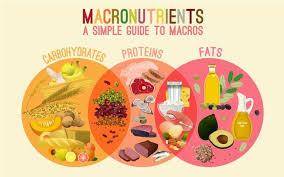
Carbohydrates such as rice, bread, yam, and potatoes provide the body with energy. Proteins, which can be found in beans, fish, meat, and eggs, help in growth and repair of tissues. Healthy fats from nuts, avocado, and vegetable oils support brain function and protect organs. Fruits and vegetables supply essential vitamins and minerals that boost the immune system and prevent diseases. Water, though often overlooked, is equally important as it keeps the body hydrated and aids digestion.
Living on only one type of food may lead to deficiencies and health problems. For example, too many carbohydrates without enough protein or vitamins can cause fatigue and poor body function. On the other hand, a well-balanced diet helps maintain a healthy weight, sharpens the mind, and gives the body the strength it needs to carry out daily activities.
In simple terms, eating a variety of foods in the right amounts is the foundation of good health.
A balanced diet simply means eating the right proportion of different food groups to keep the body healthy and strong. It is not about eating too much of one thing, but rather ensuring that meals contain a fair mix of carbohydrates, proteins, fats, vitamins, minerals, and water.
Carbohydrates such as rice, bread, yam, and potatoes provide the body with energy. Proteins, which can be found in beans, fish, meat, and eggs, help in growth and repair of tissues. Healthy fats from nuts, avocado, and vegetable oils support brain function and protect organs. Fruits and vegetables supply essential vitamins and minerals that boost the immune system and prevent diseases. Water, though often overlooked, is equally important as it keeps the body hydrated and aids digestion.
Living on only one type of food may lead to deficiencies and health problems. For example, too many carbohydrates without enough protein or vitamins can cause fatigue and poor body function. On the other hand, a well-balanced diet helps maintain a healthy weight, sharpens the mind, and gives the body the strength it needs to carry out daily activities.
In simple terms, eating a variety of foods in the right amounts is the foundation of good health.
The Importance of a Balanced Diet
A balanced diet simply means eating the right proportion of different food groups to keep the body healthy and strong. It is not about eating too much of one thing, but rather ensuring that meals contain a fair mix of carbohydrates, proteins, fats, vitamins, minerals, and water.
Carbohydrates such as rice, bread, yam, and potatoes provide the body with energy. Proteins, which can be found in beans, fish, meat, and eggs, help in growth and repair of tissues. Healthy fats from nuts, avocado, and vegetable oils support brain function and protect organs. Fruits and vegetables supply essential vitamins and minerals that boost the immune system and prevent diseases. Water, though often overlooked, is equally important as it keeps the body hydrated and aids digestion.
Living on only one type of food may lead to deficiencies and health problems. For example, too many carbohydrates without enough protein or vitamins can cause fatigue and poor body function. On the other hand, a well-balanced diet helps maintain a healthy weight, sharpens the mind, and gives the body the strength it needs to carry out daily activities.
In simple terms, eating a variety of foods in the right amounts is the foundation of good health.
0 Commenti
0 condivisioni
771 Views
0 Anteprima

 English
 Arabic
 French
 Spanish
 Portuguese
 Deutsch
 Turkish
 Dutch
Dutch
 Russian
 Romaian
 Portuguese (Brazil)
 Greek
Greek