



Directory
Discover new people, create new connections and make new friends
-
-
HDL and LDL: Understanding the “Good” and “Bad” Cholesterol
Introduction
Cholesterol is a waxy, fat-like substance found in every cell of the body. It is essential for building cell membranes, producing certain hormones, and aiding in digestion. However, too much cholesterol—especially the wrong type—can be harmful to your health. This is where HDL (High-Density Lipoprotein) and LDL (Low-Density Lipoprotein) come in.
---
What are HDL and LDL?
HDL (High-Density Lipoprotein) – Often called the “good” cholesterol, HDL helps remove excess cholesterol from the bloodstream and transport it to the liver for processing and removal from the body.
LDL (Low-Density Lipoprotein) – Known as the “bad” cholesterol, LDL carries cholesterol from the liver to the rest of the body. When too much LDL circulates, it can build up in artery walls, leading to plaque formation and narrowing of the arteries (atherosclerosis).
---
Why Are They Important?
The balance between HDL and LDL is crucial for heart health:
High LDL + Low HDL = Higher risk of heart disease and stroke.
Low LDL + High HDL = Lower risk of cardiovascular problems.
---
Healthy Levels (According to General Guidelines)
Type of Cholesterol Optimal Level
LDL (Bad) Less than 100 mg/dL
HDL (Good) 40 mg/dL or higher (men)
50 mg/dL or higher (women)
Total Cholesterol Less than 200 mg/dL
(Note: Values may vary depending on medical guidelines and individual health conditions.)
---
Causes of High LDL and Low HDL
High LDL can be caused by:
Diet high in saturated and trans fats.
Lack of physical activity.
Smoking.
Obesity.
Genetics.
Low HDL can be caused by:
Sedentary lifestyle.
Poor diet.
Smoking.
Type 2 diabetes and other metabolic issues.
---
How to Improve Your Cholesterol Profile
To Lower LDL:
1. Reduce saturated and trans fats (found in fried foods, processed snacks, fatty meats).
2. Eat more soluble fibre (oats, beans, apples, carrots).
3. Maintain a healthy weight.
4. Exercise regularly.
5. Quit smoking.
To Raise HDL:
1. Engage in regular aerobic exercise (brisk walking, swimming, cycling).
2. Choose healthy fats (olive oil, avocados, nuts).
3. Moderate alcohol consumption (if at all).
4. Stop smoking.
---
Health Risks of Imbalance
High LDL can lead to plaque buildup in arteries, increasing the risk of:
Coronary artery disease.
Heart attack.
Stroke.
Low HDL reduces the body’s ability to clear cholesterol from the bloodstream, also raising cardiovascular risk.
---
Conclusion
HDL and LDL are not enemies—they are both necessary, but in the right balance. HDL acts as a protective “clean-up crew” for your arteries, while LDL supplies cholesterol for vital body functions. The key to good heart health lies in keeping LDL low and HDL high through healthy lifestyle choices, regular exercise, and medical monitoring.HDL and LDL: Understanding the “Good” and “Bad” Cholesterol Introduction Cholesterol is a waxy, fat-like substance found in every cell of the body. It is essential for building cell membranes, producing certain hormones, and aiding in digestion. However, too much cholesterol—especially the wrong type—can be harmful to your health. This is where HDL (High-Density Lipoprotein) and LDL (Low-Density Lipoprotein) come in. --- What are HDL and LDL? HDL (High-Density Lipoprotein) – Often called the “good” cholesterol, HDL helps remove excess cholesterol from the bloodstream and transport it to the liver for processing and removal from the body. LDL (Low-Density Lipoprotein) – Known as the “bad” cholesterol, LDL carries cholesterol from the liver to the rest of the body. When too much LDL circulates, it can build up in artery walls, leading to plaque formation and narrowing of the arteries (atherosclerosis). --- Why Are They Important? The balance between HDL and LDL is crucial for heart health: High LDL + Low HDL = Higher risk of heart disease and stroke. Low LDL + High HDL = Lower risk of cardiovascular problems. --- Healthy Levels (According to General Guidelines) Type of Cholesterol Optimal Level LDL (Bad) Less than 100 mg/dL HDL (Good) 40 mg/dL or higher (men) 50 mg/dL or higher (women) Total Cholesterol Less than 200 mg/dL (Note: Values may vary depending on medical guidelines and individual health conditions.) --- Causes of High LDL and Low HDL High LDL can be caused by: Diet high in saturated and trans fats. Lack of physical activity. Smoking. Obesity. Genetics. Low HDL can be caused by: Sedentary lifestyle. Poor diet. Smoking. Type 2 diabetes and other metabolic issues. --- How to Improve Your Cholesterol Profile To Lower LDL: 1. Reduce saturated and trans fats (found in fried foods, processed snacks, fatty meats). 2. Eat more soluble fibre (oats, beans, apples, carrots). 3. Maintain a healthy weight. 4. Exercise regularly. 5. Quit smoking. To Raise HDL: 1. Engage in regular aerobic exercise (brisk walking, swimming, cycling). 2. Choose healthy fats (olive oil, avocados, nuts). 3. Moderate alcohol consumption (if at all). 4. Stop smoking. --- Health Risks of Imbalance High LDL can lead to plaque buildup in arteries, increasing the risk of: Coronary artery disease. Heart attack. Stroke. Low HDL reduces the body’s ability to clear cholesterol from the bloodstream, also raising cardiovascular risk. --- Conclusion HDL and LDL are not enemies—they are both necessary, but in the right balance. HDL acts as a protective “clean-up crew” for your arteries, while LDL supplies cholesterol for vital body functions. The key to good heart health lies in keeping LDL low and HDL high through healthy lifestyle choices, regular exercise, and medical monitoring.0 Comments 0 Shares 7K Views 2

-
Protein vs Carbohydrates: A Quick Look
When it comes to nutrition, protein and carbohydrates often get compared, but both play very different roles in the body.
Proteins are the body’s building blocks. They help repair tissues, support muscle growth, and keep the immune system strong. Foods like eggs, fish, beans, and lean meats are rich in protein. Unlike carbs, protein doesn’t give a quick energy rush, but it provides lasting strength and is essential for recovery after physical activity.
Carbohydrates, on the other hand, are the body’s main fuel. They break down into glucose, which powers the brain and muscles. Carbs are found in grains, fruits, vegetables, and tubers. While simple carbs (like sugar) can spike energy quickly, complex carbs (like whole grains) release energy more steadily.
In short, carbs fuel your body while protein builds and repairs it. A healthy diet needs both — the key is balance. Too many refined carbs may lead to weight gain, while too little protein can slow down recovery and muscle growth.Protein vs Carbohydrates: A Quick Look When it comes to nutrition, protein and carbohydrates often get compared, but both play very different roles in the body. Proteins are the body’s building blocks. They help repair tissues, support muscle growth, and keep the immune system strong. Foods like eggs, fish, beans, and lean meats are rich in protein. Unlike carbs, protein doesn’t give a quick energy rush, but it provides lasting strength and is essential for recovery after physical activity. Carbohydrates, on the other hand, are the body’s main fuel. They break down into glucose, which powers the brain and muscles. Carbs are found in grains, fruits, vegetables, and tubers. While simple carbs (like sugar) can spike energy quickly, complex carbs (like whole grains) release energy more steadily. In short, carbs fuel your body while protein builds and repairs it. A healthy diet needs both — the key is balance. Too many refined carbs may lead to weight gain, while too little protein can slow down recovery and muscle growth.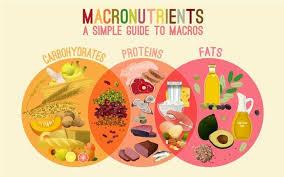 0 Comments 0 Shares 3K Views


 Arabic
 French
 Spanish
 Portuguese
 Deutsch
 Turkish
 Dutch
 Italiano
 Russian
 Romaian
 Portuguese (Brazil)
 Greek