
• Cardiovascular Health

    The cardiovascular system, also known as the circulatory system, consists of the heart, blood, and blood vessels. Its primary role is to deliver oxygen and nutrients to the body’s tissues while removing waste products such as carbondioxide. Good cardiovascular health is essential for overall well-being, energy, and longevity.

    Key Components of Cardiovascular Health

    1. Heart Function – The heart is a muscular pump that beats about 100,000 times per day, circulating blood through the body.


    2. Blood Vessels – Arteries, veins, and capillaries ensure efficient transport of oxygen, nutrients, and hormones.


    3. Blood Pressure – Healthy blood pressure helps prevent strain on the heart and arteries.


    Factors Affecting Cardiovascular Health

    Diet: Diets rich in fruits, vegetables, whole grains, lean proteins, and healthy fats reduce the risk of heart disease. Excess salt, sugar, and saturated fat increase risk.

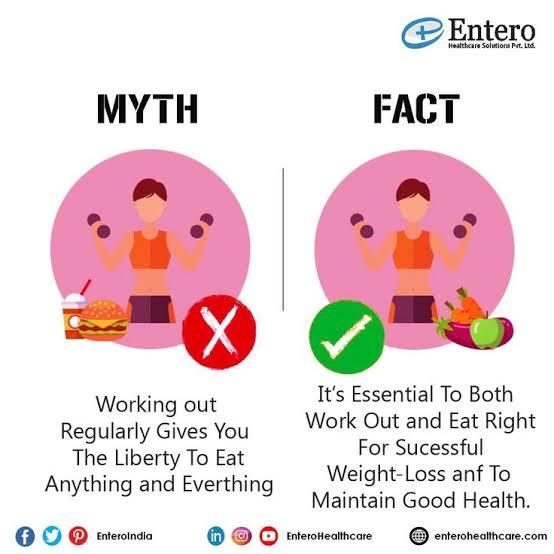
    Physical Activity: Regular exercise strengthens the heart muscle, improves circulation, and lowers cholesterol.

    Weight Management: Obesity is linked to hypertension, diabetes, and atherosclerosis.

    Smoking & Alcohol: Smoking damages blood vessels and increases clot risk, while excessive alcohol raises blood pressure.

    Stress: Chronic stress can contribute to high blood pressure and poor lifestyle choices.


    Common Cardiovascular Diseases

    Hypertension (High Blood Pressure)

    Coronary Artery Disease (Blockages in heart vessels)

    Stroke

    Heart Failure


    Tips for Maintaining Cardiovascular Health

    1. Eat a balanced diet with limited processed foods.


    2. Exercise at least 30 minutes most days of the week.


    3. Maintain a healthy weight.


    4. Avoid smoking and limit alcohol.


    5. Manage stress through relaxation, prayer, meditation, or hobbies.


    6. Go for regular health checkups to monitor blood pressure, cholesterol, and blood sugar.

    Cardiovascular Health The cardiovascular system, also known as the circulatory system, consists of the heart, blood, and blood vessels. Its primary role is to deliver oxygen and nutrients to the body’s tissues while removing waste products such as carbondioxide. Good cardiovascular health is essential for overall well-being, energy, and longevity. Key Components of Cardiovascular Health 1. Heart Function – The heart is a muscular pump that beats about 100,000 times per day, circulating blood through the body. 2. Blood Vessels – Arteries, veins, and capillaries ensure efficient transport of oxygen, nutrients, and hormones. 3. Blood Pressure – Healthy blood pressure helps prevent strain on the heart and arteries. Factors Affecting Cardiovascular Health Diet: Diets rich in fruits, vegetables, whole grains, lean proteins, and healthy fats reduce the risk of heart disease. Excess salt, sugar, and saturated fat increase risk. Physical Activity: Regular exercise strengthens the heart muscle, improves circulation, and lowers cholesterol. Weight Management: Obesity is linked to hypertension, diabetes, and atherosclerosis. Smoking & Alcohol: Smoking damages blood vessels and increases clot risk, while excessive alcohol raises blood pressure. Stress: Chronic stress can contribute to high blood pressure and poor lifestyle choices. Common Cardiovascular Diseases Hypertension (High Blood Pressure) Coronary Artery Disease (Blockages in heart vessels) Stroke Heart Failure Tips for Maintaining Cardiovascular Health 1. Eat a balanced diet with limited processed foods. 2. Exercise at least 30 minutes most days of the week. 3. Maintain a healthy weight. 4. Avoid smoking and limit alcohol. 5. Manage stress through relaxation, prayer, meditation, or hobbies. 6. Go for regular health checkups to monitor blood pressure, cholesterol, and blood sugar.

    Love
    1
    0 Comentários 0 Compartilhamentos 4K Visualizações
  • Increasing Demand for Kaolin in Paints and Coatings Industry
    The kaolin market is closely tied to the pace of global construction, infrastructure development, and urbanization, making it an industry poised for long-term growth. Kaolin, often referred to as “china clay,” is widely used in ceramics, paints, adhesives, and construction materials. Its natural properties, including high plasticity, durability, and heat resistance, make it an...
    0 Comentários 0 Compartilhamentos 2K Visualizações
  • Sustainability Challenges and Opportunities in Pet Food Packaging
    Convenience is a driving factor behind the evolution of the pet food packaging market. Modern pet owners, particularly millennials and Gen Z consumers, demand products that are easy to handle, store, and serve. Packaging has become more than a protective layer—it is now a solution designed to match fast-paced lifestyles and changing consumer habits. Single-serve packs, resealable pouches,...
    0 Comentários 0 Compartilhamentos 2K Visualizações
  • Ocean Bound Plastics in Packaging: A Path Toward Eco-Friendly Solutions
    The rapid growth of the ocean bound plastics market can be attributed not only to technological advancements but also to shifting consumer behavior. Today’s consumers are increasingly aware of the devastating impact of marine pollution. With images of plastic-strewn beaches and endangered marine life circulating widely on social media, public concern has reached new heights. This...
    0 Comentários 0 Compartilhamentos 2K Visualizações
  • Sodium Methylate Demand Trends in Pharmaceutical Applications
    The sodium methylate market presents a mix of challenges and opportunities that shape its trajectory. On the one hand, demand from biodiesel, pharmaceuticals, and agrochemicals provides a strong growth base. On the other, operational risks, storage difficulties, and environmental safety concerns present hurdles. Sodium methylate is highly sensitive to moisture and air, requiring specialized...
    0 Comentários 0 Compartilhamentos 2K Visualizações
  • Polyolefin Elastomers Market Dynamics and Regional Insights
    Emerging economies are becoming the growth engines of the global polyolefin elastomers (POEs) market. With rapid industrialization, urbanization, and rising consumer demand, regions like Asia-Pacific, Latin America, and parts of the Middle East are witnessing a surge in applications for these versatile materials. As industries such as automotive, construction, packaging, and electronics expand,...
    0 Comentários 0 Compartilhamentos 2K Visualizações
  • Key Drivers Fueling the Demand for Spandex Worldwide
    The spandex market has grown into one of the most dynamic segments within the textile industry, largely due to the material’s unmatched elasticity, comfort, and durability. Spandex, also known as elastane or Lycra, has revolutionized clothing design by enabling garments to stretch without losing shape. Over the past decade, global demand for spandex has surged, driven by consumer...
    0 Comentários 0 Compartilhamentos 2K Visualizações
  • 0 Comentários 0 Compartilhamentos 674 Visualizações
  • 🩺 Health Myths vs Facts

    Myth 1: Eating late at night automatically makes you fat.
    Fact: Weight gain depends on calories in vs calories out, not the clock. What matters most is the total amount and quality of food you eat.

    Myth 2: You must drink exactly 8 glasses of water daily.
    Fact: Everyone’s hydration needs differ. Listen to your body and watch urine color — light yellow means you’re hydrated.

    Myth 3: Carbs are bad for you.
    Fact: Carbs are your body’s main fuel. Choose whole grains, fruits, and vegetables instead of refined carbs and sugary snacks.

    Myth 4: Detox teas cleanse your body.
    Fact: Your liver, kidneys, and skin are natural detoxifiers. No tea can replace their work. Balanced eating and hydration are the real “detox.”

    Myth 5: Lifting weights makes women bulky.
    Fact: Women have lower testosterone, so strength training tones muscles, boosts metabolism, and supports bone health — not bulk.

    Myth 6: Fat is always bad.
    Fact: Healthy fats (avocados, nuts, olive oil, fish) are essential for brain health and hormone balance. It’s trans fats and excess fried foods you should avoid.

    Myth 7: Sweating means you’re burning more fat.
    Fact: Sweat is your body’s cooling system, not a fat-burning indicator. You burn calories by exertion, not by how much you sweat.

    Myth 8: Skipping breakfast is unhealthy.
    Fact: For some people, skipping breakfast (like in intermittent fasting) works fine. What matters is overall nutrient intake, not whether you eat first thing in the morning.

    Myth 9: You can “spot reduce” fat from one part of your body.
    Fact: Doing crunches won’t only burn belly fat. Fat loss happens all over the body through consistent exercise and a balanced diet.

    Myth 10: Health = body size.
    Fact: Being slim doesn’t automatically mean healthy, and being bigger doesn’t always mean unhealthy. True health includes nutrition, fitness, sleep, and mental well-being.

    ✅ Healthy living is not about chasing trends or believing quick-fix promises — it’s about science, balance, and consistency.
    🩺 Health Myths vs Facts Myth 1: Eating late at night automatically makes you fat. Fact: Weight gain depends on calories in vs calories out, not the clock. What matters most is the total amount and quality of food you eat. Myth 2: You must drink exactly 8 glasses of water daily. Fact: Everyone’s hydration needs differ. Listen to your body and watch urine color — light yellow means you’re hydrated. Myth 3: Carbs are bad for you. Fact: Carbs are your body’s main fuel. Choose whole grains, fruits, and vegetables instead of refined carbs and sugary snacks. Myth 4: Detox teas cleanse your body. Fact: Your liver, kidneys, and skin are natural detoxifiers. No tea can replace their work. Balanced eating and hydration are the real “detox.” Myth 5: Lifting weights makes women bulky. Fact: Women have lower testosterone, so strength training tones muscles, boosts metabolism, and supports bone health — not bulk. Myth 6: Fat is always bad. Fact: Healthy fats (avocados, nuts, olive oil, fish) are essential for brain health and hormone balance. It’s trans fats and excess fried foods you should avoid. Myth 7: Sweating means you’re burning more fat. Fact: Sweat is your body’s cooling system, not a fat-burning indicator. You burn calories by exertion, not by how much you sweat. Myth 8: Skipping breakfast is unhealthy. Fact: For some people, skipping breakfast (like in intermittent fasting) works fine. What matters is overall nutrient intake, not whether you eat first thing in the morning. Myth 9: You can “spot reduce” fat from one part of your body. Fact: Doing crunches won’t only burn belly fat. Fat loss happens all over the body through consistent exercise and a balanced diet. Myth 10: Health = body size. Fact: Being slim doesn’t automatically mean healthy, and being bigger doesn’t always mean unhealthy. True health includes nutrition, fitness, sleep, and mental well-being. ✅ Healthy living is not about chasing trends or believing quick-fix promises — it’s about science, balance, and consistency.
    0 Comentários 0 Compartilhamentos 6K Visualizações
  • Miu Miu X New Balance Mule putting together those always
    It a certified classic closet combo on days when the summer sun is hidden behind the clouds. In a couple of weeks, Vogue will publish a round up of best dressed celebrities. Once upon a time, you had to pop into your favorite thrift store and rifle through racks of tossed away garments to cherry pick the good stuff. their upcoming collection will be released later this year and features a mix...
    0 Comentários 0 Compartilhamentos 3K Visualizações