


Sponsored
  • Health Myths vs Facts

    Myth 1: Eating late at night automatically makes you fat.
    Fact: Weight gain depends on calories in vs calories out, not the clock. What matters most is the total amount and quality of food you eat.

    Myth 2: You must drink exactly 8 glasses of water daily.
    Fact: Everyone’s hydration needs differ. Listen to your body and watch urine color — light yellow means you’re hydrated.

    Myth 3: Carbs are bad for you.
    Fact: Carbs are your body’s main fuel. Choose whole grains, fruits, and vegetables instead of refined carbs and sugary snacks.

    Myth 4: Detox teas cleanse your body.
    Fact: Your liver, kidneys, and skin are natural detoxifiers. No tea can replace their work. Balanced eating and hydration are the real “detox.”

    Myth 5: Lifting weights makes women bulky.
    Fact: Women have lower testosterone, so strength training tones muscles, boosts metabolism, and supports bone health — not bulk.

    Myth 6: Fat is always bad.
    Fact: Healthy fats (avocados, nuts, olive oil, fish) are essential for brain health and hormone balance. It’s trans fats and excess fried foods you should avoid.

    Myth 7: Sweating means you’re burning more fat.
    Fact: Sweat is your body’s cooling system, not a fat-burning indicator. You burn calories by exertion, not by how much you sweat.

    Myth 8: Skipping breakfast is unhealthy.
    Fact: For some people, skipping breakfast (like in intermittent fasting) works fine. What matters is overall nutrient intake, not whether you eat first thing in the morning.

    Myth 9: You can “spot reduce” fat from one part of your body.
    Fact: Doing crunches won’t only burn belly fat. Fat loss happens all over the body through consistent exercise and a balanced diet.

    Myth 10: Health = body size.
    Fact: Being slim doesn’t automatically mean healthy, and being bigger doesn’t always mean unhealthy. True health includes nutrition, fitness, sleep, and mental well-being.

    Healthy living is not about chasing trends or believing quick-fix promises — it’s about science, balance, and consistency.
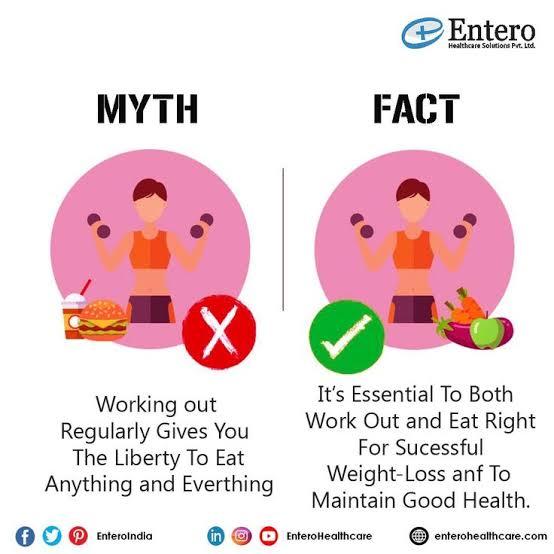
    🩺 Health Myths vs Facts Myth 1: Eating late at night automatically makes you fat. Fact: Weight gain depends on calories in vs calories out, not the clock. What matters most is the total amount and quality of food you eat. Myth 2: You must drink exactly 8 glasses of water daily. Fact: Everyone’s hydration needs differ. Listen to your body and watch urine color — light yellow means you’re hydrated. Myth 3: Carbs are bad for you. Fact: Carbs are your body’s main fuel. Choose whole grains, fruits, and vegetables instead of refined carbs and sugary snacks. Myth 4: Detox teas cleanse your body. Fact: Your liver, kidneys, and skin are natural detoxifiers. No tea can replace their work. Balanced eating and hydration are the real “detox.” Myth 5: Lifting weights makes women bulky. Fact: Women have lower testosterone, so strength training tones muscles, boosts metabolism, and supports bone health — not bulk. Myth 6: Fat is always bad. Fact: Healthy fats (avocados, nuts, olive oil, fish) are essential for brain health and hormone balance. It’s trans fats and excess fried foods you should avoid. Myth 7: Sweating means you’re burning more fat. Fact: Sweat is your body’s cooling system, not a fat-burning indicator. You burn calories by exertion, not by how much you sweat. Myth 8: Skipping breakfast is unhealthy. Fact: For some people, skipping breakfast (like in intermittent fasting) works fine. What matters is overall nutrient intake, not whether you eat first thing in the morning. Myth 9: You can “spot reduce” fat from one part of your body. Fact: Doing crunches won’t only burn belly fat. Fat loss happens all over the body through consistent exercise and a balanced diet. Myth 10: Health = body size. Fact: Being slim doesn’t automatically mean healthy, and being bigger doesn’t always mean unhealthy. True health includes nutrition, fitness, sleep, and mental well-being. ✅ Healthy living is not about chasing trends or believing quick-fix promises — it’s about science, balance, and consistency.
    0 Comments 0 Shares 1K Views 0 Reviews

  • Cardiovascular Health

    The cardiovascular system, also known as the circulatory system, consists of the heart, blood, and blood vessels. Its primary role is to deliver oxygen and nutrients to the body’s tissues while removing waste products such as carbondioxide. Good cardiovascular health is essential for overall well-being, energy, and longevity.

    Key Components of Cardiovascular Health

    1. Heart Function – The heart is a muscular pump that beats about 100,000 times per day, circulating blood through the body.


    2. Blood Vessels – Arteries, veins, and capillaries ensure efficient transport of oxygen, nutrients, and hormones.


    3. Blood Pressure – Healthy blood pressure helps prevent strain on the heart and arteries.


    Factors Affecting Cardiovascular Health

    Diet: Diets rich in fruits, vegetables, whole grains, lean proteins, and healthy fats reduce the risk of heart disease. Excess salt, sugar, and saturated fat increase risk.

    Physical Activity: Regular exercise strengthens the heart muscle, improves circulation, and lowers cholesterol.

    Weight Management: Obesity is linked to hypertension, diabetes, and atherosclerosis.

    Smoking & Alcohol: Smoking damages blood vessels and increases clot risk, while excessive alcohol raises blood pressure.

    Stress: Chronic stress can contribute to high blood pressure and poor lifestyle choices.


    Common Cardiovascular Diseases

    Hypertension (High Blood Pressure)

    Coronary Artery Disease (Blockages in heart vessels)

    Stroke

    Heart Failure


    Tips for Maintaining Cardiovascular Health

    1. Eat a balanced diet with limited processed foods.


    2. Exercise at least 30 minutes most days of the week.


    3. Maintain a healthy weight.


    4. Avoid smoking and limit alcohol.


    5. Manage stress through relaxation, prayer, meditation, or hobbies.


    6. Go for regular health checkups to monitor blood pressure, cholesterol, and blood sugar.
    Cardiovascular Health The cardiovascular system, also known as the circulatory system, consists of the heart, blood, and blood vessels. Its primary role is to deliver oxygen and nutrients to the body’s tissues while removing waste products such as carbondioxide. Good cardiovascular health is essential for overall well-being, energy, and longevity. Key Components of Cardiovascular Health 1. Heart Function – The heart is a muscular pump that beats about 100,000 times per day, circulating blood through the body. 2. Blood Vessels – Arteries, veins, and capillaries ensure efficient transport of oxygen, nutrients, and hormones. 3. Blood Pressure – Healthy blood pressure helps prevent strain on the heart and arteries. Factors Affecting Cardiovascular Health Diet: Diets rich in fruits, vegetables, whole grains, lean proteins, and healthy fats reduce the risk of heart disease. Excess salt, sugar, and saturated fat increase risk. Physical Activity: Regular exercise strengthens the heart muscle, improves circulation, and lowers cholesterol. Weight Management: Obesity is linked to hypertension, diabetes, and atherosclerosis. Smoking & Alcohol: Smoking damages blood vessels and increases clot risk, while excessive alcohol raises blood pressure. Stress: Chronic stress can contribute to high blood pressure and poor lifestyle choices. Common Cardiovascular Diseases Hypertension (High Blood Pressure) Coronary Artery Disease (Blockages in heart vessels) Stroke Heart Failure Tips for Maintaining Cardiovascular Health 1. Eat a balanced diet with limited processed foods. 2. Exercise at least 30 minutes most days of the week. 3. Maintain a healthy weight. 4. Avoid smoking and limit alcohol. 5. Manage stress through relaxation, prayer, meditation, or hobbies. 6. Go for regular health checkups to monitor blood pressure, cholesterol, and blood sugar.
    Love
    1
    0 Comments 0 Shares 974 Views 0 Reviews
  • We will showcase and celebrate great people who are Inspiring the world.
    We will showcase and celebrate great people who are Inspiring the world.
    Like
    Love
    2
    0 Comments 0 Shares 303 Views 0 Reviews
  • Protein vs Carbohydrates: A Quick Look

    When it comes to nutrition, protein and carbohydrates often get compared, but both play very different roles in the body.

    Proteins are the body’s building blocks. They help repair tissues, support muscle growth, and keep the immune system strong. Foods like eggs, fish, beans, and lean meats are rich in protein. Unlike carbs, protein doesn’t give a quick energy rush, but it provides lasting strength and is essential for recovery after physical activity.

    Carbohydrates, on the other hand, are the body’s main fuel. They break down into glucose, which powers the brain and muscles. Carbs are found in grains, fruits, vegetables, and tubers. While simple carbs (like sugar) can spike energy quickly, complex carbs (like whole grains) release energy more steadily.

    In short, carbs fuel your body while protein builds and repairs it. A healthy diet needs both — the key is balance. Too many refined carbs may lead to weight gain, while too little protein can slow down recovery and muscle growth.
    Protein vs Carbohydrates: A Quick Look When it comes to nutrition, protein and carbohydrates often get compared, but both play very different roles in the body. Proteins are the body’s building blocks. They help repair tissues, support muscle growth, and keep the immune system strong. Foods like eggs, fish, beans, and lean meats are rich in protein. Unlike carbs, protein doesn’t give a quick energy rush, but it provides lasting strength and is essential for recovery after physical activity. Carbohydrates, on the other hand, are the body’s main fuel. They break down into glucose, which powers the brain and muscles. Carbs are found in grains, fruits, vegetables, and tubers. While simple carbs (like sugar) can spike energy quickly, complex carbs (like whole grains) release energy more steadily. In short, carbs fuel your body while protein builds and repairs it. A healthy diet needs both — the key is balance. Too many refined carbs may lead to weight gain, while too little protein can slow down recovery and muscle growth.
    0 Comments 0 Shares 1K Views 0 Reviews

  • Who's gonna win the league??
    Who's gonna win the league??
    Love
    1
    0 Comments 0 Shares 315 Views 0 Reviews
  • Understanding Diabetes: A Healthy Living Perspective

    Introduction

    Diabetes mellitus, commonly known as diabetes, is a chronic health condition that affects how the body turns food into energy. Normally, when we eat, the body breaks down most of the food into glucose (sugar) which enters the bloodstream. The hormone insulin, produced by the pancreas, helps glucose enter the cells for energy. In diabetes, the body either doesn’t produce enough insulin or cannot use it effectively, causing high blood sugar levels.

    Over time, poorly managed diabetes can lead to serious health complications affecting the heart, kidneys, eyes, nerves, and more. However, with healthy lifestyle choices and proper medical care, people living with diabetes can lead long, fulfilling lives.


    ---

    Types of Diabetes

    1. Type 1 Diabetes

    An autoimmune condition where the immune system attacks insulin-producing cells in the pancreas.

    Usually diagnosed in children and young adults, but it can occur at any age.

    People with Type 1 diabetes require insulin therapy for survival.


    2. Type 2 Diabetes

    The most common type, where the body becomes resistant to insulin or doesn’t make enough.

    Often linked to unhealthy lifestyle habits, but genetics also play a role.

    It can be prevented or managed through healthy diet, exercise, weight control, and medication if needed.


    3. Gestational Diabetes

    Occurs during pregnancy in women who have never had diabetes.

    Increases the risk of complications for both mother and baby.

    Usually resolves after delivery, but raises the risk of developing Type 2 diabetes later in life.


    ---

    Common Symptoms of Diabetes

    Excessive thirst and frequent urination

    Unexplained weight loss or gain

    Increased hunger

    Fatigue and weakness

    Blurred vision

    Slow-healing wounds or frequent infections

    Numbness or tingling in hands or feet


    ---

    Risk Factors

    Family history of diabetes

    Overweight or obesity

    Sedentary lifestyle

    Poor diet high in refined sugar and unhealthy fats

    High blood pressure or high cholesterol

    Age above 45 years

    History of gestational diabetes


    ---

    Healthy Living for Diabetes Prevention and Management

    1. Balanced Diet

    Choose whole grains, lean proteins, fruits, and vegetables.

    Limit sugary drinks, processed snacks, and refined carbohydrates.

    Practice portion control to maintain healthy weight.


    2. Regular Physical Activity

    Aim for 150 minutes of moderate exercise weekly (e.g., brisk walking, swimming, cycling).

    Include strength training at least twice a week to improve insulin sensitivity.


    3. Weight Management

    Even a modest weight loss (5–10% of body weight) can significantly improve blood sugar control in people with prediabetes or Type 2 diabetes.


    4. Stay Hydrated

    Drink enough water and avoid excessive sugary beverages.


    5. Regular Medical Check-ups

    Monitor blood sugar levels as advised by your doctor.

    Keep track of blood pressure, cholesterol, and kidney function.


    6. Quit Smoking and Limit Alcohol

    Smoking increases the risk of diabetes complications.

    Alcohol can cause blood sugar fluctuations, so moderation is key.


    7. Stress Management

    High stress can affect blood sugar control.

    Practice relaxation techniques like deep breathing, yoga, or meditation.


    ---

    Complications of Poorly Managed Diabetes

    If left uncontrolled, diabetes can lead to:

    Heart disease and stroke

    Kidney damage (diabetic nephropathy)

    Nerve damage (diabetic neuropathy)

    Eye damage (diabetic retinopathy)

    Foot problems and amputations

    Skin conditions and infections


    ---

    Conclusion

    Diabetes is not just a medical condition — it’s a lifestyle condition. While some risk factors like age and genetics cannot be changed, healthy living plays a powerful role in prevention and control. Early detection, combined with healthy eating, regular exercise, weight control, and routine medical care, can help manage blood sugar levels and reduce the risk of complications.

    In short: A healthy lifestyle is both the best prevention and the best treatment partner for diabetes.
    Understanding Diabetes: A Healthy Living Perspective Introduction Diabetes mellitus, commonly known as diabetes, is a chronic health condition that affects how the body turns food into energy. Normally, when we eat, the body breaks down most of the food into glucose (sugar) which enters the bloodstream. The hormone insulin, produced by the pancreas, helps glucose enter the cells for energy. In diabetes, the body either doesn’t produce enough insulin or cannot use it effectively, causing high blood sugar levels. Over time, poorly managed diabetes can lead to serious health complications affecting the heart, kidneys, eyes, nerves, and more. However, with healthy lifestyle choices and proper medical care, people living with diabetes can lead long, fulfilling lives. --- Types of Diabetes 1. Type 1 Diabetes An autoimmune condition where the immune system attacks insulin-producing cells in the pancreas. Usually diagnosed in children and young adults, but it can occur at any age. People with Type 1 diabetes require insulin therapy for survival. 2. Type 2 Diabetes The most common type, where the body becomes resistant to insulin or doesn’t make enough. Often linked to unhealthy lifestyle habits, but genetics also play a role. It can be prevented or managed through healthy diet, exercise, weight control, and medication if needed. 3. Gestational Diabetes Occurs during pregnancy in women who have never had diabetes. Increases the risk of complications for both mother and baby. Usually resolves after delivery, but raises the risk of developing Type 2 diabetes later in life. --- Common Symptoms of Diabetes Excessive thirst and frequent urination Unexplained weight loss or gain Increased hunger Fatigue and weakness Blurred vision Slow-healing wounds or frequent infections Numbness or tingling in hands or feet --- Risk Factors Family history of diabetes Overweight or obesity Sedentary lifestyle Poor diet high in refined sugar and unhealthy fats High blood pressure or high cholesterol Age above 45 years History of gestational diabetes --- Healthy Living for Diabetes Prevention and Management 1. Balanced Diet Choose whole grains, lean proteins, fruits, and vegetables. Limit sugary drinks, processed snacks, and refined carbohydrates. Practice portion control to maintain healthy weight. 2. Regular Physical Activity Aim for 150 minutes of moderate exercise weekly (e.g., brisk walking, swimming, cycling). Include strength training at least twice a week to improve insulin sensitivity. 3. Weight Management Even a modest weight loss (5–10% of body weight) can significantly improve blood sugar control in people with prediabetes or Type 2 diabetes. 4. Stay Hydrated Drink enough water and avoid excessive sugary beverages. 5. Regular Medical Check-ups Monitor blood sugar levels as advised by your doctor. Keep track of blood pressure, cholesterol, and kidney function. 6. Quit Smoking and Limit Alcohol Smoking increases the risk of diabetes complications. Alcohol can cause blood sugar fluctuations, so moderation is key. 7. Stress Management High stress can affect blood sugar control. Practice relaxation techniques like deep breathing, yoga, or meditation. --- Complications of Poorly Managed Diabetes If left uncontrolled, diabetes can lead to: Heart disease and stroke Kidney damage (diabetic nephropathy) Nerve damage (diabetic neuropathy) Eye damage (diabetic retinopathy) Foot problems and amputations Skin conditions and infections --- Conclusion Diabetes is not just a medical condition — it’s a lifestyle condition. While some risk factors like age and genetics cannot be changed, healthy living plays a powerful role in prevention and control. Early detection, combined with healthy eating, regular exercise, weight control, and routine medical care, can help manage blood sugar levels and reduce the risk of complications. In short: A healthy lifestyle is both the best prevention and the best treatment partner for diabetes.
    Love
    1
    2 Comments 0 Shares 1K Views 0 Reviews
  • Cigarettes: A Silent Threat to Health and Well-being
    Introduction
    Cigarettes are among the most widely consumed tobacco products in the world, yet they remain one of the leading causes of preventable diseases and deaths. Despite decades of public health campaigns, cigarette smoking continues to attract millions of users, often due to nicotine addiction, social influence, and stress-relief perceptions. From a healthy living standpoint, avoiding cigarette use—or quitting if you already smoke—is one of the most impactful decisions you can make for long-term health.

    What Cigarettes Contain
    A single cigarette contains more than 7,000 chemicals, including:

    Nicotine – The addictive stimulant that hooks users.

    Tar – A sticky substance that damages the lungs.

    Carbon Monoxide – A poisonous gas that reduces oxygen in the blood.

    Formaldehyde, Arsenic, and Ammonia – Toxic compounds linked to cancer and organ damage.

    Many of these chemicals are classified as carcinogens (cancer-causing agents).

    Health Effects of Smoking
    Smoking affects nearly every organ in the body, causing both short-term and long-term damage.

    1. Respiratory Diseases

    Chronic bronchitis

    Emphysema

    Chronic obstructive pulmonary disease (COPD)

    2. Cardiovascular Diseases

    High blood pressure

    Heart attacks

    Stroke

    3. Cancers

    Lung cancer (the leading cause of cancer deaths worldwide)

    Mouth, throat, and esophageal cancer

    Bladder, kidney, and pancreatic cancer

    4. Other Health Impacts

    Reduced immunity

    Early aging of the skin

    Infertility in both men and women

    Secondhand Smoke – The Hidden Danger
    Non-smokers who inhale smoke from cigarettes are also at risk. Secondhand smoke can cause:

    Increased risk of lung cancer and heart disease in adults.

    Sudden infant death syndrome (SIDS), ear infections, and asthma attacks in children.

    The Addiction Cycle
    Nicotine is a powerful addictive substance. When inhaled, it reaches the brain in seconds, producing feelings of pleasure and stress relief. However, these effects are temporary, causing the smoker to crave another cigarette, which leads to dependence. Over time, higher doses are needed to achieve the same effect, making quitting more difficult.

    Breaking Free – Tips for Quitting
    Quitting smoking is challenging but possible with the right approach:

    Set a quit date and prepare mentally.

    Identify triggers (stress, social gatherings, etc.) and avoid them.

    Seek support from friends, family, or support groups.

    Consider nicotine replacement therapy (patches, gums, lozenges).

    Stay active to manage cravings.

    Celebrate milestones to stay motivated.

    Healthy Living Perspective
    From a wellness standpoint, avoiding cigarettes means:

    Better lung and heart health.

    Improved physical fitness.

    Lower risk of chronic diseases.

    Longer life expectancy.

    Better quality of life for yourself and those around you.

    Conclusion
    Cigarettes may appear small and harmless, but their impact is devastating and far-reaching. Every puff delivers toxic substances that damage the body, harm others through secondhand smoke, and deepen the cycle of addiction. Choosing a smoke-free lifestyle is not just a personal health choice—it’s a commitment to a better future.
    Cigarettes: A Silent Threat to Health and Well-being Introduction Cigarettes are among the most widely consumed tobacco products in the world, yet they remain one of the leading causes of preventable diseases and deaths. Despite decades of public health campaigns, cigarette smoking continues to attract millions of users, often due to nicotine addiction, social influence, and stress-relief perceptions. From a healthy living standpoint, avoiding cigarette use—or quitting if you already smoke—is one of the most impactful decisions you can make for long-term health. What Cigarettes Contain A single cigarette contains more than 7,000 chemicals, including: Nicotine – The addictive stimulant that hooks users. Tar – A sticky substance that damages the lungs. Carbon Monoxide – A poisonous gas that reduces oxygen in the blood. Formaldehyde, Arsenic, and Ammonia – Toxic compounds linked to cancer and organ damage. Many of these chemicals are classified as carcinogens (cancer-causing agents). Health Effects of Smoking Smoking affects nearly every organ in the body, causing both short-term and long-term damage. 1. Respiratory Diseases Chronic bronchitis Emphysema Chronic obstructive pulmonary disease (COPD) 2. Cardiovascular Diseases High blood pressure Heart attacks Stroke 3. Cancers Lung cancer (the leading cause of cancer deaths worldwide) Mouth, throat, and esophageal cancer Bladder, kidney, and pancreatic cancer 4. Other Health Impacts Reduced immunity Early aging of the skin Infertility in both men and women Secondhand Smoke – The Hidden Danger Non-smokers who inhale smoke from cigarettes are also at risk. Secondhand smoke can cause: Increased risk of lung cancer and heart disease in adults. Sudden infant death syndrome (SIDS), ear infections, and asthma attacks in children. The Addiction Cycle Nicotine is a powerful addictive substance. When inhaled, it reaches the brain in seconds, producing feelings of pleasure and stress relief. However, these effects are temporary, causing the smoker to crave another cigarette, which leads to dependence. Over time, higher doses are needed to achieve the same effect, making quitting more difficult. Breaking Free – Tips for Quitting Quitting smoking is challenging but possible with the right approach: Set a quit date and prepare mentally. Identify triggers (stress, social gatherings, etc.) and avoid them. Seek support from friends, family, or support groups. Consider nicotine replacement therapy (patches, gums, lozenges). Stay active to manage cravings. Celebrate milestones to stay motivated. Healthy Living Perspective From a wellness standpoint, avoiding cigarettes means: Better lung and heart health. Improved physical fitness. Lower risk of chronic diseases. Longer life expectancy. Better quality of life for yourself and those around you. Conclusion Cigarettes may appear small and harmless, but their impact is devastating and far-reaching. Every puff delivers toxic substances that damage the body, harm others through secondhand smoke, and deepen the cycle of addiction. Choosing a smoke-free lifestyle is not just a personal health choice—it’s a commitment to a better future.
    Like
    Love
    2
    0 Comments 0 Shares 1K Views 0 Reviews

  • Alcohol Consumption: A Healthy Living Perspective

    Alcohol has been a part of human culture for centuries, often associated with celebrations, relaxation, and social bonding. While moderate alcohol use may have certain social and even potential health benefits, it is essential to recognize that it also carries significant risks. From a healthy living standpoint, understanding these benefits and dangers — and making informed choices — is key to maintaining long-term health.


    ---

    Understanding Alcohol and the Body

    When consumed, alcohol (ethanol) is rapidly absorbed into the bloodstream through the stomach and small intestine. The liver processes most of it, but excessive intake can overwhelm the liver’s ability to metabolize it, leading to a build-up in the blood. This impacts the brain, heart, liver, immune system, and other vital organs.


    ---

    Potential Benefits of Moderate Drinking

    Some studies suggest that moderate alcohol consumption may offer limited health benefits for certain adults:

    Cardiovascular Health – Small amounts of red wine, for instance, have been linked to increased levels of HDL (good cholesterol) and antioxidant properties from compounds like resveratrol.

    Social Relaxation – In controlled settings, alcohol may reduce stress and promote social bonding.


    However, these benefits are not universal, and for many people, the risks outweigh the potential advantages.


    ---

    Risks of Excessive Alcohol Consumption

    Regular or excessive drinking can lead to:

    1. Liver Damage – Fatty liver, hepatitis, and cirrhosis.


    2. Cardiovascular Problems – High blood pressure, irregular heartbeat, and stroke.


    3. Increased Cancer Risk – Mouth, throat, esophagus, liver, breast, and colorectal cancers.


    4. Weakened Immune System – Making the body more vulnerable to infections.


    5. Mental and Emotional Health Issues – Depression, anxiety, and memory impairment.


    6. Addiction (Alcohol Use Disorder) – A progressive condition that can harm personal, social, and professional life.


    ---

    Guidelines for Safer Consumption

    Health authorities, such as the World Health Organization (WHO), generally recommend:

    Men: No more than 2 standard drinks per day.

    Women: No more than 1 standard drink per day.

    Standard Drink Definition: Roughly 14 grams of pure alcohol (e.g., 150ml of wine, 350ml of beer, or 45ml of spirits).

    Alcohol-Free Days: Include days in the week without alcohol to give the liver a rest.


    ---

    When to Avoid Alcohol Entirely

    For some individuals, complete abstinence is the healthiest choice:

    Pregnant or breastfeeding women.

    People under the legal drinking age.

    Those on certain medications.

    Individuals with a history of liver disease or alcohol addiction.

    People who need full alertness for work or safety (e.g., drivers, machine operators).


    ---

    Healthy Alternatives to Alcohol

    If you want to maintain social connections without the health risks:

    Mocktails (non-alcoholic cocktails).

    Herbal teas or infused water with fruits and herbs.

    Kombucha or naturally flavored sparkling water.


    ---

    Healthy Living Takeaway

    From a healthy living perspective, alcohol should be approached with awareness and moderation. While small amounts may fit into some lifestyles, there is no health requirement to drink alcohol — and abstinence carries no harm. The key is understanding your personal health risks, respecting your body’s limits, and making choices that align with your long-term well-being.
    Alcohol Consumption: A Healthy Living Perspective Alcohol has been a part of human culture for centuries, often associated with celebrations, relaxation, and social bonding. While moderate alcohol use may have certain social and even potential health benefits, it is essential to recognize that it also carries significant risks. From a healthy living standpoint, understanding these benefits and dangers — and making informed choices — is key to maintaining long-term health. --- Understanding Alcohol and the Body When consumed, alcohol (ethanol) is rapidly absorbed into the bloodstream through the stomach and small intestine. The liver processes most of it, but excessive intake can overwhelm the liver’s ability to metabolize it, leading to a build-up in the blood. This impacts the brain, heart, liver, immune system, and other vital organs. --- Potential Benefits of Moderate Drinking Some studies suggest that moderate alcohol consumption may offer limited health benefits for certain adults: Cardiovascular Health – Small amounts of red wine, for instance, have been linked to increased levels of HDL (good cholesterol) and antioxidant properties from compounds like resveratrol. Social Relaxation – In controlled settings, alcohol may reduce stress and promote social bonding. However, these benefits are not universal, and for many people, the risks outweigh the potential advantages. --- Risks of Excessive Alcohol Consumption Regular or excessive drinking can lead to: 1. Liver Damage – Fatty liver, hepatitis, and cirrhosis. 2. Cardiovascular Problems – High blood pressure, irregular heartbeat, and stroke. 3. Increased Cancer Risk – Mouth, throat, esophagus, liver, breast, and colorectal cancers. 4. Weakened Immune System – Making the body more vulnerable to infections. 5. Mental and Emotional Health Issues – Depression, anxiety, and memory impairment. 6. Addiction (Alcohol Use Disorder) – A progressive condition that can harm personal, social, and professional life. --- Guidelines for Safer Consumption Health authorities, such as the World Health Organization (WHO), generally recommend: Men: No more than 2 standard drinks per day. Women: No more than 1 standard drink per day. Standard Drink Definition: Roughly 14 grams of pure alcohol (e.g., 150ml of wine, 350ml of beer, or 45ml of spirits). Alcohol-Free Days: Include days in the week without alcohol to give the liver a rest. --- When to Avoid Alcohol Entirely For some individuals, complete abstinence is the healthiest choice: Pregnant or breastfeeding women. People under the legal drinking age. Those on certain medications. Individuals with a history of liver disease or alcohol addiction. People who need full alertness for work or safety (e.g., drivers, machine operators). --- Healthy Alternatives to Alcohol If you want to maintain social connections without the health risks: Mocktails (non-alcoholic cocktails). Herbal teas or infused water with fruits and herbs. Kombucha or naturally flavored sparkling water. --- Healthy Living Takeaway From a healthy living perspective, alcohol should be approached with awareness and moderation. While small amounts may fit into some lifestyles, there is no health requirement to drink alcohol — and abstinence carries no harm. The key is understanding your personal health risks, respecting your body’s limits, and making choices that align with your long-term well-being.
    Like
    Love
    2
    0 Comments 0 Shares 738 Views 0 Reviews
  • Healthy Living — Building a Lifestyle That Lasts

    Healthy living is more than just a diet plan or a short-term fitness challenge — it’s a commitment to choices that support your physical, mental, and emotional well-being every single day. The benefits go beyond looking or feeling good; a healthy lifestyle helps prevent disease, improves energy levels, and supports a longer, more fulfilling life.


    ---

    1. Nutrition: Fueling the Body Right

    The foundation of good health starts with what you put into your body.

    Eat a balanced diet rich in fruits, vegetables, whole grains, lean proteins, and healthy fats.

    Reduce processed foods and sugary drinks, which contribute to obesity, diabetes, and heart disease.

    Stay hydrated — aim for 2–3 litres of water daily, adjusting for climate and activity level.


    A simple principle to remember: Eat more food that comes from the ground and less that comes from a factory.


    ---

    2. Physical Activity: Moving for Life

    Regular exercise strengthens the heart, muscles, and bones while boosting mood and mental clarity.

    Aim for at least 150 minutes of moderate-intensity activity per week (e.g., brisk walking, cycling) or 75 minutes of vigorous activity (e.g., running, aerobics).

    Include strength training at least twice a week to maintain muscle mass and bone health.

    Even simple habits like taking the stairs, stretching at your desk, or walking during phone calls can make a difference.


    ---

    3. Rest and Recovery: The Power of Sleep

    Healthy living isn’t just about activity — it’s also about rest.

    Adults should get 7–9 hours of sleep per night.

    Maintain a consistent sleep schedule and create a relaxing bedtime routine.

    Poor sleep can weaken immunity, slow metabolism, and affect mental health.


    ---

    4. Stress Management: Caring for the Mind

    Chronic stress can harm the body as much as poor diet or inactivity.

    Practice mindfulness, prayer, or meditation to centre your thoughts.

    Take short breaks during work to stretch and breathe deeply.

    Engage in hobbies you enjoy — they help you relax and maintain balance.


    ---

    5. Preventive Health: Staying Ahead of Problems

    Prevention is always better than cure.

    Get regular health check-ups to monitor blood pressure, cholesterol, and blood sugar levels.

    Stay updated with vaccinations.

    Pay attention to early signs your body gives you — catching issues early can save your health and your finances.


    ---

    6. Relationships and Social Health

    Good relationships are part of healthy living.

    Spend time with family and friends.

    Surround yourself with people who encourage positive habits.

    Offer and accept support during challenges — social connection can lower stress and improve longevity.


    ---

    7. Consistency Over Perfection

    Healthy living is a journey, not a one-time fix. Don’t aim for perfect — aim for better choices every day. Small, consistent changes, like swapping soda for water or taking a 10-minute walk after meals, add up to big results over time.


    ---

    Conclusion

    Healthy living is about building a lifestyle where your habits nourish your body, mind, and soul. It’s not a punishment — it’s an investment in your future. As the saying goes:

    > Take care of your body. It’s the only place you have to live.


    When you choose health today, you give yourself the energy, clarity, and strength to enjoy life tomorrow.
    Healthy Living — Building a Lifestyle That Lasts Healthy living is more than just a diet plan or a short-term fitness challenge — it’s a commitment to choices that support your physical, mental, and emotional well-being every single day. The benefits go beyond looking or feeling good; a healthy lifestyle helps prevent disease, improves energy levels, and supports a longer, more fulfilling life. --- 1. Nutrition: Fueling the Body Right The foundation of good health starts with what you put into your body. Eat a balanced diet rich in fruits, vegetables, whole grains, lean proteins, and healthy fats. Reduce processed foods and sugary drinks, which contribute to obesity, diabetes, and heart disease. Stay hydrated — aim for 2–3 litres of water daily, adjusting for climate and activity level. A simple principle to remember: Eat more food that comes from the ground and less that comes from a factory. --- 2. Physical Activity: Moving for Life Regular exercise strengthens the heart, muscles, and bones while boosting mood and mental clarity. Aim for at least 150 minutes of moderate-intensity activity per week (e.g., brisk walking, cycling) or 75 minutes of vigorous activity (e.g., running, aerobics). Include strength training at least twice a week to maintain muscle mass and bone health. Even simple habits like taking the stairs, stretching at your desk, or walking during phone calls can make a difference. --- 3. Rest and Recovery: The Power of Sleep Healthy living isn’t just about activity — it’s also about rest. Adults should get 7–9 hours of sleep per night. Maintain a consistent sleep schedule and create a relaxing bedtime routine. Poor sleep can weaken immunity, slow metabolism, and affect mental health. --- 4. Stress Management: Caring for the Mind Chronic stress can harm the body as much as poor diet or inactivity. Practice mindfulness, prayer, or meditation to centre your thoughts. Take short breaks during work to stretch and breathe deeply. Engage in hobbies you enjoy — they help you relax and maintain balance. --- 5. Preventive Health: Staying Ahead of Problems Prevention is always better than cure. Get regular health check-ups to monitor blood pressure, cholesterol, and blood sugar levels. Stay updated with vaccinations. Pay attention to early signs your body gives you — catching issues early can save your health and your finances. --- 6. Relationships and Social Health Good relationships are part of healthy living. Spend time with family and friends. Surround yourself with people who encourage positive habits. Offer and accept support during challenges — social connection can lower stress and improve longevity. --- 7. Consistency Over Perfection Healthy living is a journey, not a one-time fix. Don’t aim for perfect — aim for better choices every day. Small, consistent changes, like swapping soda for water or taking a 10-minute walk after meals, add up to big results over time. --- Conclusion Healthy living is about building a lifestyle where your habits nourish your body, mind, and soul. It’s not a punishment — it’s an investment in your future. As the saying goes: > Take care of your body. It’s the only place you have to live. When you choose health today, you give yourself the energy, clarity, and strength to enjoy life tomorrow.
    Like
    Love
    2
    0 Comments 0 Shares 782 Views 0 Reviews
  • Crystal Palace’s Historic Triumph at Wembley

    On 10 August 2025, Wembley Stadium in London played host to a landmark moment in Crystal Palace’s history: in their first-ever appearance in the FA Community Shield, they emerged triumphant, defeating Liverpool in dramatic fashion to clinch the silverware for the very first time .

    The Road to Wembley

    This achievement came on the back of their monumental first-ever major trophy – the 2024–25 FA Cup. On 17 May 2025, Palace defeated Manchester City 1–0 at Wembley, with Eberechi Eze scoring and Daniel Muñoz earning Player of the Match honors . That FA Cup win not only made history but also paved the way for Palace to contest the Community Shield against the Premier League champions, Liverpool .


    ---

    Match Overview: Palace vs. Liverpool (2–2, Palace won 3–2 on penalties)

    Regulation Time Drama

    Liverpool struck early through Hugo Ekitike just four minutes in, sneaking a low finish past Dean Henderson . Palace responded with composure: Jean-Philippe Mateta converted a penalty in the 17th minute, leveling the score . Liverpool regained the lead with a fortunate strike from Jeremie Frimpong in the 21st . But Palace weren’t done—the resilient Ismaïla Sarr finished smartly in the 77th, and the sides were inseparable at 2–2 at full-time .

    Penalty Shootout: Henderson Heroics

    In the shootout, Palace’s Dean Henderson rose to the occasion, saving penalties from Alexis Mac Allister and Harvey Elliott, following an earlier miss by Mohamed Salah . Justin Devenny, a young substitute, calmly dispatched the decisive spot-kick to clinch a 3–2 shootout victory and secure Palace’s first Community Shield title .


    ---

    Emotional Undercurrents Amid a National Tragedy

    The match was overshadowed by feelings of loss and remembrance. The game began amid tributes to Diogo Jota—the Liverpool forward—and his brother André Silva, who tragically passed away in a car crash earlier in the summer. Wreaths were laid, and a moment of silence was observed—though it was disrupted by crowd disturbances—adding emotional weight to the fixture .


    ---

    Key Insights and Tactical Takeaways

    Continuity Triumphs Over Big Summer Spending

    Where Liverpool fielded several expensive new signings, Palace held firm with a largely unchanged squad and replicated the tactical consistency that secured their FA Cup success. Their discipline and understanding of Oliver Glasner’s system allowed them to outperform a star-studded Liverpool lineup .

    Players Who Made an Impact

    Dean Henderson was pivotal, earning plaudits for his composure under pressure .

    Justin Devenny, just 21 years old and a product of lower-tier Scottish football, emerged as a Wembley hero—poised in the most critical moment .

    Chris Richards, a central defender for Palace and U.S. international, delivered a strong all-round performance, contributing defensively with solid passing and interceptions .


    ---

    What This Means for Crystal Palace

    Back-to-back Wembley glory: Just three months after securing FA Cup glory, Palace added a second major trophy, further cementing their place in English football’s narrative .

    Rising confidence and momentum: The victory offered a tangible boost ahead of the new season, reinforcing belief in Glasner's strategy and instilling a winning mentality throughout the squad.

    A note of irony: In a league where continuity is often undervalued, Palace's approach underscored how cohesion and collective belief can outweigh high-profile acquisitions .


    ---

    Fan Reactions & Cultural Resonance

    On Reddit, supporters and neutrals alike celebrated Palace’s sudden rise:

    > “Two absolutely ginormous trophies for two London clubs on the same day”
    “Very deserved winners, very dominant display in that 2nd half”


    These reactions reflect just how impactful such victories can be—not only as trophies, but as markers of a club’s evolving identity and ambition.


    ---

    In Summary

    Crystal Palace’s 2025 FA Community Shield victory was more than just a curtain-raiser for the 2025–26 season—it was a statement of intent. Through tactical discipline, club unity, and decisive performances from both veterans and newcomers, the Eagles conquered Wembley again, reaffirming that under the right structure and belief, even seemingly improbable triumphs are achievable.
    Crystal Palace’s Historic Triumph at Wembley On 10 August 2025, Wembley Stadium in London played host to a landmark moment in Crystal Palace’s history: in their first-ever appearance in the FA Community Shield, they emerged triumphant, defeating Liverpool in dramatic fashion to clinch the silverware for the very first time . The Road to Wembley This achievement came on the back of their monumental first-ever major trophy – the 2024–25 FA Cup. On 17 May 2025, Palace defeated Manchester City 1–0 at Wembley, with Eberechi Eze scoring and Daniel Muñoz earning Player of the Match honors . That FA Cup win not only made history but also paved the way for Palace to contest the Community Shield against the Premier League champions, Liverpool . --- Match Overview: Palace vs. Liverpool (2–2, Palace won 3–2 on penalties) Regulation Time Drama Liverpool struck early through Hugo Ekitike just four minutes in, sneaking a low finish past Dean Henderson . Palace responded with composure: Jean-Philippe Mateta converted a penalty in the 17th minute, leveling the score . Liverpool regained the lead with a fortunate strike from Jeremie Frimpong in the 21st . But Palace weren’t done—the resilient Ismaïla Sarr finished smartly in the 77th, and the sides were inseparable at 2–2 at full-time . Penalty Shootout: Henderson Heroics In the shootout, Palace’s Dean Henderson rose to the occasion, saving penalties from Alexis Mac Allister and Harvey Elliott, following an earlier miss by Mohamed Salah . Justin Devenny, a young substitute, calmly dispatched the decisive spot-kick to clinch a 3–2 shootout victory and secure Palace’s first Community Shield title . --- Emotional Undercurrents Amid a National Tragedy The match was overshadowed by feelings of loss and remembrance. The game began amid tributes to Diogo Jota—the Liverpool forward—and his brother André Silva, who tragically passed away in a car crash earlier in the summer. Wreaths were laid, and a moment of silence was observed—though it was disrupted by crowd disturbances—adding emotional weight to the fixture . --- Key Insights and Tactical Takeaways Continuity Triumphs Over Big Summer Spending Where Liverpool fielded several expensive new signings, Palace held firm with a largely unchanged squad and replicated the tactical consistency that secured their FA Cup success. Their discipline and understanding of Oliver Glasner’s system allowed them to outperform a star-studded Liverpool lineup . Players Who Made an Impact Dean Henderson was pivotal, earning plaudits for his composure under pressure . Justin Devenny, just 21 years old and a product of lower-tier Scottish football, emerged as a Wembley hero—poised in the most critical moment . Chris Richards, a central defender for Palace and U.S. international, delivered a strong all-round performance, contributing defensively with solid passing and interceptions . --- What This Means for Crystal Palace Back-to-back Wembley glory: Just three months after securing FA Cup glory, Palace added a second major trophy, further cementing their place in English football’s narrative . Rising confidence and momentum: The victory offered a tangible boost ahead of the new season, reinforcing belief in Glasner's strategy and instilling a winning mentality throughout the squad. A note of irony: In a league where continuity is often undervalued, Palace's approach underscored how cohesion and collective belief can outweigh high-profile acquisitions . --- Fan Reactions & Cultural Resonance On Reddit, supporters and neutrals alike celebrated Palace’s sudden rise: > “Two absolutely ginormous trophies for two London clubs on the same day” “Very deserved winners, very dominant display in that 2nd half” These reactions reflect just how impactful such victories can be—not only as trophies, but as markers of a club’s evolving identity and ambition. --- In Summary Crystal Palace’s 2025 FA Community Shield victory was more than just a curtain-raiser for the 2025–26 season—it was a statement of intent. Through tactical discipline, club unity, and decisive performances from both veterans and newcomers, the Eagles conquered Wembley again, reaffirming that under the right structure and belief, even seemingly improbable triumphs are achievable.
    Love
    1
    0 Comments 0 Shares 806 Views 0 Reviews
More Results
Sponsored
Sponsored